- Crime (C)
- Unrest (U)
There was no change to the advisory level. The 3 areas of increased risk were combined into 1. The Advisory Summary was updated.
Review the latest State Department Travel Advisory about Rwanda. You can plan for safe travel by following the entry and exit requirements, reviewing local laws, and other travel guidance from the U.S. embassy or consulate.
Visit rw.usembassy.gov
Learn more about U.S. and Rwanda relations at State.gov
in Rwanda due to crime and unrest. Some areas have increased risk. Read the entire Travel Advisory.
Do not travel to within 10 kilometers of Rwanda’s border with the Democratic Republic of the Congo due to unrest.
Do not travel to within 10 kilometers of Rwanda’s border with the Democratic Republic of the Congo for any reason due to unrest.
Multiple armed groups, individuals, and military forces operate in North and South Kivu provinces of the Democratic Republic of the Congo. Some of these groups oppose the Rwandan government. Violence may spill into Rwanda without warning.
U.S. government employees working in Rwanda must obtain special authorization to travel to this area.
Volcanoes National Park is not included in this area of increased risk. Review our information on Tourism Safety in Rwanda.
Rwanda is located in Africa, in the Eastern Hemisphere. It is a landlocked country. It shares land borders with Burundi, The Democratic Republic of the Congo, Tanzania, and Uganda.
Rwanda is slightly smaller than Maryland. There is 1 time zone, Central African Time. It does not observe daylight savings time. Rwanda is 7 hours ahead of Washington, D.C. which is Eastern Standard Time.
30 KG 7 Avenue (Kacyiru)
P.O. Box 28
Kigali, Rwanda
Immigrant Visas: IVKigali@state.gov
Non-Immigrant Visas: NIVKigali@state.gov
Monday through Thursday, 8:15 a.m. to 5:30 p.m. and Friday from 8:15 a.m. to 1:00 p.m.
Message failed to load
We are unable to load the message. Visit the main U.S. embassy or consulate website for updates.
Explore our travel guidance topics to prepare for your trip abroad.
A visa is required for entry. You can get a 30-day tourist visa on arrival in Rwanda.
Terrorists and their supporters may target U.S. citizens abroad.
Terrorists may target:
Demonstrations may take place in response to political or economic issues. They may also occur on significant holidays, and during large events.
Follow the Department of State guidelines to protect yourself from scams.
If you are a victim of a scam, learn how the FBI can help.
Financial scams are common in Rwanda. Be careful of anyone asking for money, especially those who start a "romantic" relationship online or claim local authorities want money. Scams often begin through online posts, emails, or letters. Scammers pretend to be U.S. citizens in need of help.
Common scams include:
Local authorities are responsible for investigating and prosecuting crime. If you are in immediate danger, call the Rwandan police emergency hotline at 112. You may report crimes to the local police by dialing 078-831-1124.
The U.S. embassy or consulate can:
Mobile devices are vulnerable to compromise, theft, and damage anywhere in the world.
Follow these safe practices:
A permit is required to fly a drone recreationally or commercially in Rwanda. Travelers entering Rwanda with drones must declare the drone upon arrival. Visit the Rwandan Government’s Tourism website for more information.
The tourism industry is not well regulated:
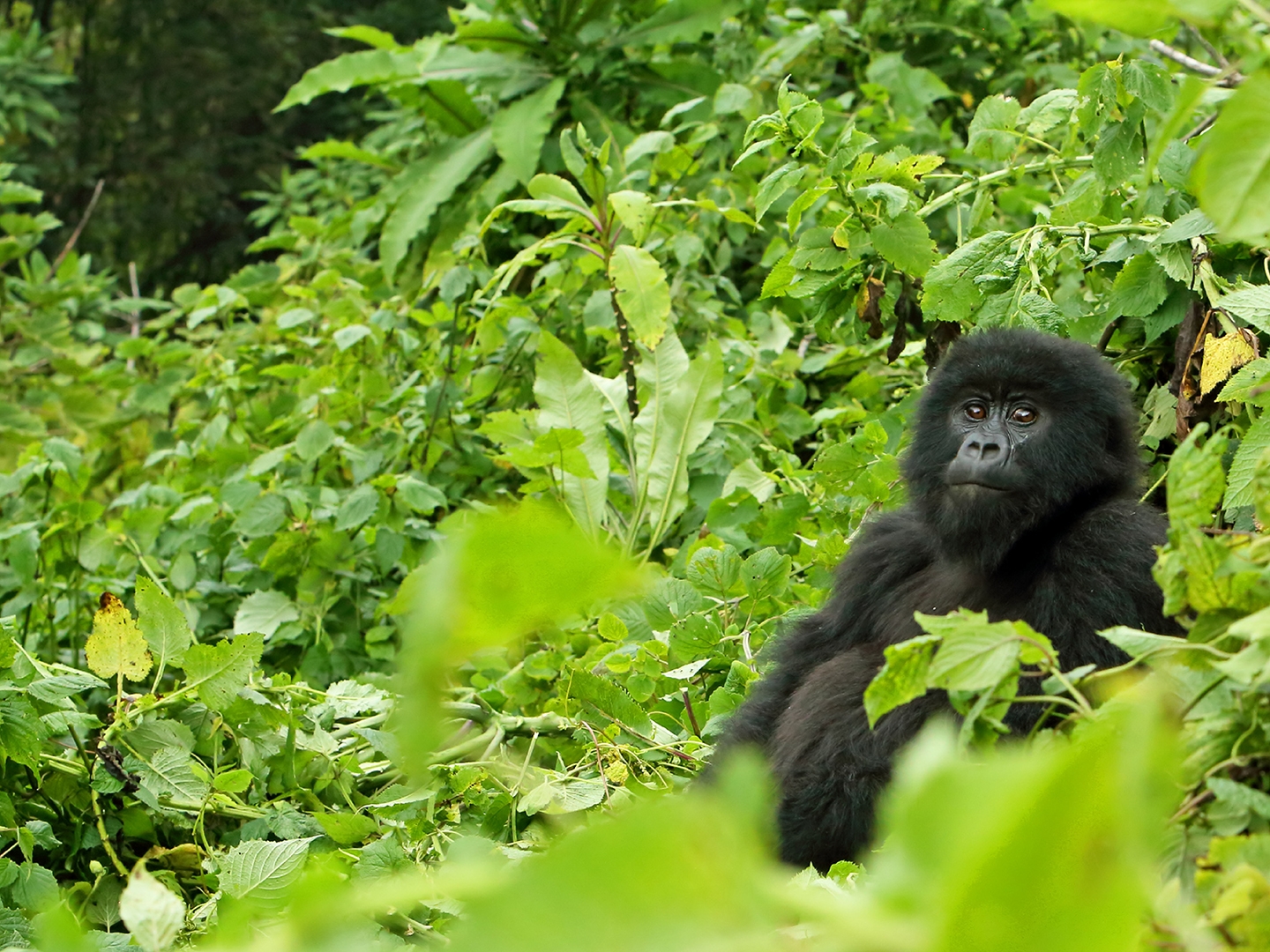
Gorilla Tracking in the Musanze District
Review the U.S. Centers for Disease Control and Prevention (CDC) website for more information about Adventure Travel.
Counterfeit and pirated goods are common in many destinations.
Learn more about U.S. restrictions on counterfeit and pirated goods:
Faith based travel includes pilgrimages, service projects, and mission work. Prepare for your travel using these resources:
Injured or very ill travelers might prefer to take a taxi or their own car to the nearest major hospital. This option can be faster than waiting for an ambulance.
Ambulance services are:
Make sure you know if your health insurance plan covers any medical expenses coverage abroad. Most U.S. plans do not.
Stay up to date with the vaccines recommended by the U.S. Centers for Disease Control and Prevention.
U.S. Customs and Border Protection (CBP) and the Food and Drug Administration (FDA) have rules for bringing medication back into the United States. If you buy medications abroad, the medications must meet CBP’s and the FDA’s requirements to bring them back legally.
The medications must also be for personal use and approved for use in the United States.
For more information:
The Virunga Mountains in northern Rwanda are at high altitude.
Air pollution can be a significant problem in many destinations abroad.
An international driving permit and third-party insurance are required. For specific information concerning Rwandan driving permits, vehicle inspection, road tax, and mandatory insurance, visit the website of the Rwanda Development Board.
You can monitor weather warnings on the Rwanda Meteorology Agency website.
If you live outside the United States for a long time, you or your family may experience various life events, wish to exercise U.S. citizenship rights, or need to meet U.S. legal obligations while abroad.
30 KG 7 Avenue (Kacyiru)
P.O. Box 28
Kigali, Rwanda
Immigrant Visas: IVKigali@state.gov
Non-Immigrant Visas: NIVKigali@state.gov
Monday through Thursday, 8:15 a.m. to 5:30 p.m. and Friday from 8:15 a.m. to 1:00 p.m.
There was no change to the advisory level. The 3 areas of increased risk were combined into 1. The Advisory Summary was updated.
There was no change to the advisory level. The “crime” indicator was added. An area of increased risk was added. The Advisory Summary was updated.
Last Updated: May 14, 2026
Owned by Overseas Citizens Services
Travel.State.Gov
An official website of the Department of State - Bureau of Consular Affairs