Travel.State.Gov US Department of State Homepage

Travel advisory - Republic of Slovenia

Level 1 - Exercise normal precautions

Date issued: May 15, 2026 -

Exercise normal precautions

in Slovenia.

Exercise caution in the Julian Alps: follow local guidance, check the weather closely, dress appropriately, and never hike alone.

Advisory summary

Slovenia is generally a safe destination for travelers.

Travelers should take standard precautions against petty crime, such as  pickpocketing and purse snatching. These crimes are common in tourist areas, city centers, and transportation hubs. Use caution at night.

  • Review our Travel Guidance for Slovenia to learn how to prepare for a safe trip.

If you decide to travel to Slovenia:

Scroll to review full advisory
Travel advisory levels
Learn more about
  1. Exercise normal precautions
  2. Exercise increased caution
  3. Reconsider travel
  4. Do not travel

About Slovenia

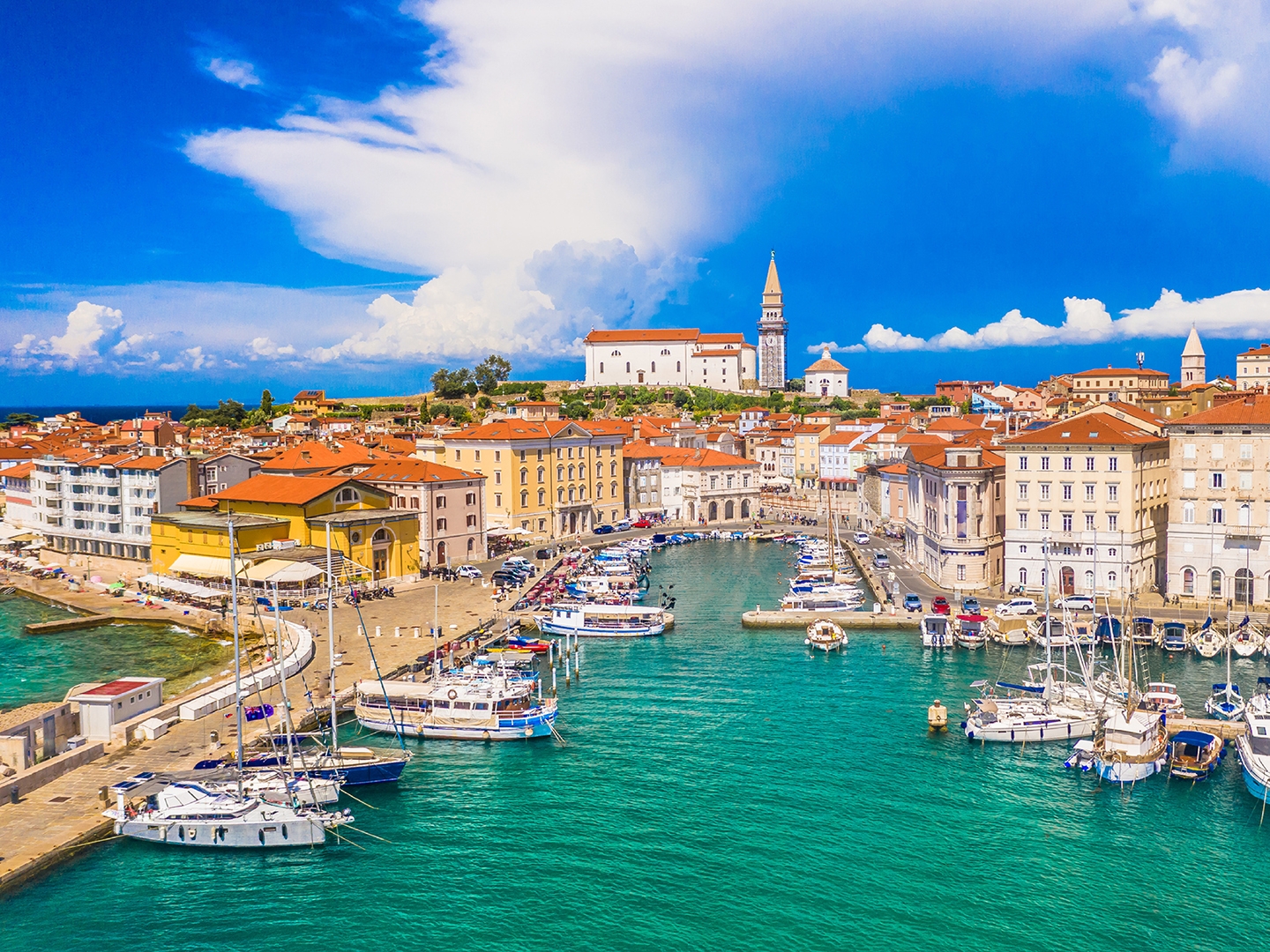
Slovenia is located in Central Europe. It has maritime borders with the Adriatic Sea. It also shares land borders with Austria, Croatia, Hungary, and Italy. It is nearly identical in size to Massachusetts.

There is one time zone, Central European Time. It observes daylight saving time, switching to Central European Summer Time during the summer months. Slovenia is generally six hours ahead of Washington, D.C. during Eastern Standard Time.

Travel requirements

Tourist visa requirements

Vaccinations

  • No vaccinations are required.

Valid passport requirements

  • Must have three months’ validity beyond your date of departure.
  • One blank page available per stamp.

Currency on entry and exit

  • Entry maximum: 10,000 EUR or equivalent in U.S. dollars.
  • Exit maximum: 10,000 EUR or equivalent in U.S. dollars.

Tips from the U.S. embassy

  • Every year, many foreign visitors die in the mountains in Slovenia. Always follow basic safety rules for hiking, and do not hike alone.
  • You must have a vignette (toll sticker) to drive on highways in Slovenia. Please review the Slovenia by Car page for more information.
  • Slovenia is a bicycle friendly nation. When walking and driving, pay close attention so you do not hit a bicyclist, or so a bicyclist does not hit you.
EMBASSY UPDATE

Message failed to load


We are unable to load the message. Visit the main U.S. embassy or consulate website for updates.

Get embassy updates right to your inbox
Enroll In Step
Review how STEP works

Travel guidance for Slovenia

Explore our travel guidance topics to prepare for your trip abroad.

Select a topic

Traveling with children

  • Always bring a copy of each child’s birth certificate or other evidence of your legal relationship to each child.  
  • When 1 parent is traveling with a child, a notarized consent letter is required from the absent parent.  Otherwise, you must show proof of sole custody.  
  • Parents and guardians should prepare a notarized, written permission letter.  It should allow their minor children to travel to or from Slovenia alone or with someone else.  
  • All Slovenian minors, including dual U.S. citizens, must have notarized, written permission from a parent or guardian to travel without that parent or guardian.
  • Slovenian authorities can block U.S. citizen minors from leaving when traveling without a parent or guardian.
  • If you have concerns that your child may be abducted abroad by their other parent or guardian, review our information on how to prevent an international parental child abduction.  You can also review our information on Parental Child Abduction in Slovenia.  
  • Review our information on Traveling with Minors.

HIV and AIDS restrictions

  • The U.S. Department of State is unaware of any HIV and AIDS entry restrictions for visitors to or foreign residents of Slovenia.

Currency

  • The Euro is the official currency of Slovenia.  The U.S. embassy does not accept U.S. dollars in cash for consular services.  Euros and credit cards are accepted.
  • Slovenia has ATMs that generally accept U.S.-issued bankcards.
  • Credit cards are widely accepted throughout Slovenia using contactless payment.
  • Travelers’ checks and personal checks are not accepted in Slovenia.

Traveling through Europe

If you are planning to visit or travel through Europe, be familiar with the requirements of the Schengen Borders Agreement.  It allows you to move freely within several countries without border checks.

Your passport should be valid for at least three months beyond your period of stay if you plan on transiting a Schengen country.  You will need sufficient proof of funds and a return plane ticket.

Safety and security

Emergency phone numbers

Local authorities are responsible for investigating and prosecuting crimes and providing emergency services.


Demonstrations

There are occasional strikes, protests, and other public demonstrations in Slovenia.

  • Protests in Ljubljana are usually held in areas around Kongresni Trg (Congress Square), opposite the Slovenian Parliament, in other locations in central Ljubljana, and sometimes at or near the U.S. Embassy.  
  • Some participants have expressed anti-U.S. sentiments.  
  • Even demonstrations intended to be peaceful can turn confrontational and possibly become violent.
  • Demonstrations can be unpredictable. Be vigilant near crowded venues.   
  • Check local media for updates and traffic advisories.

Crime

Slovenia’s overall crime rate is low. Incidents of purse snatching, pickpocketing, and bicycle theft are most common in tourist areas. Most robberies and acts of vandalism reported in Ljubljana occur primarily late at night.

  • Exercise caution, avoid isolated areas after dark, take security precautions, and report any incidents to the local police.
  • Residential break-ins occur, particularly in Ljubljana.  Residences left unattended for extended periods with poor security measures are most vulnerable.
  • Vehicle break-ins and thefts also occur.  Always lock your vehicles, use vehicle anti-theft devices, and park in well-lit areas or in residential or hotel garages. 
  • Bicycle theft is high compared to similar cities. Make sure your bicycles are locked before leaving them in a bicycle rack or bike park.
  • Exercise caution at so-called "gentlemen's clubs."  These businesses have presented foreign customers with inflated bar bills and threatened those who refuse to pay.
  • U.S. citizens have reported sexual assaults in at least one nightclub in recent years.  Use caution when accepting open drinks at bars or clubs and do not leave your drinks unattended.

Scams

  • Follow the Department of State guidelines to protect yourself from scams.
  • If you are a victim of a scam, learn how the FBI can help.    
  • Financial scams and internet romance scams are not common in Slovenia. 
  • However, be careful of anyone asking for money, especially those who start a "romantic" relationship online or claim local authorities want money.  Scams often begin through online posts, emails, or letters.  Scammers pretend to be U.S. citizens in need of help. 

Victims of crime

Local authorities are responsible for investigating and prosecuting crime.  You may report crimes to the local police by dialing 112.

The U.S. embassy or consulate can:

  • Replace a stolen or lost passport.
  • Help you find medical care.  
  • Assist you in how to report a crime to the police.  
  • Contact relatives or friends with your written consent.  
  • Provide general information regarding the criminal justice system.  
  • Provide a list of local attorneys.  We do not endorse or recommend any specific attorneys.  
  • Provide information on victim’s compensation programs in the United States.  
  • Provide an emergency loan for repatriation to the United States or limited medical support in cases of need.  
  • Help you find accommodation and options to travel home.
  • Victims of crime in Slovenia can obtain psychological counseling from medical and social work organizations. For more information, please review the official page of the Slovene Police for the victims of crime
  • Victims of violent acts in Slovenia can be entitled to compensation from the state under some circumstances.  For more information, please review the Slovene Ministry of Justice official page on compensation for victims of crimes.
  • Review our information for Victims of Crime.  

Sexual assault and domestic violence

  • U.S. citizen victims of sexual assault and domestic violence are encouraged to contact the U.S. embassy and local law enforcement for assistance.

Technology use abroad

Mobile devices are vulnerable to compromise, theft, and damage anywhere in the world.  Follow these safe practices:

  • Update all software (operating system and apps) before leaving the United States.  
  • Use reputable, U.S.-based VPN or VoIP applications.  
  • Don’t connect to public Wi-Fi networks.  
  • Research the safety of routes recommended by GPS.  The fastest route is not always the safest.
  • Be cautious using dating apps abroad, as scammers often target U.S. citizens.
  • If using a drone equipped with camera or a drone heavier than 250g, you must register as an operator with the Civil Aviation Agency of Slovenia.

Tourism safety

The tourism industry is regulated:

  • Rules and safety inspections are regularly enforced.  
  • Dangerous areas and activities are marked with signs.  
  • Trained and certified staff are usually there to help with organized activities.  
  • If you get injured, you can usually get medical help locally.  
  • In rural areas, it might take longer for medical help to arrive and help.  
  • U.S. citizens are encouraged to have medical evacuation insurance.
  • Review our information on Travel Insurance.

Adventure travel

  • Review the U.S. Centers for Disease Control and Prevention (CDC) tips for Adventure Travel.
  • Travelers in mountain regions are advised to review options for mountain insurance. Mountain rescue may not be covered by standard travel insurance. Rescue operations without a valid mountain insurance policy may be expensive.
  • Slovenia’s mountains can be particularly dangerous.  Always follow local instructions, dress appropriately, and do not attempt a climb under poor weather conditions.  Never hike alone.
  • You may need special insurance for hiking and skiing. This is available from local providers.
  • You may need special insurance for mountain rescue

Local laws and customs

Criminal penalties

  • U.S. citizens must follow local laws.  
  • If you break local laws, even by mistake, you could be deported, arrested, or imprisoned. 
  • Travelers who accidentally break local laws have been detained.  Sometimes, this can be for a long time.  They may also face criminal charges and even be convicted of a crime.
  • Penalties for possessing, using, or trafficking in illegal drugs in Slovenia are severe.  Convicted offenders can expect long jail sentences and heavy fines.
  • Make sure you receive a receipt for all purchases in Slovenia.  Slovenian law allows inspectors to request to see your receipt of purchase upon exiting the business.  If you do not present a receipt, you can receive a fine.
  • Slovenian authorities enforce strict regulations concerning the import, export, and use of firearms.  You should contact the Embassy of the Republic of Slovenia in Washington, D.C. or the Consulate General in Cleveland if you are planning to transport a firearm into or out of Slovenia.
  • Driving without a valid e-vignette (physical or virtual toll sticker) on highways carries significant fines between 300 and 800 Euros.  The embassy does not pay fines for U.S. citizens.
  • You may be prosecuted in the United States for crimes committed abroad regardless of the local law.  Review the information provided by the U.S. Department of Justice about crimes against minors abroad.
  • Before you start a business or a profession in Slovenia, seek information from the local authorities about what permits or licenses are required.


Counterfeit and pirated goods

Counterfeit and pirated goods are common in many destinations.  

  • They may be illegal according to local laws.  
  • Counterfeit and pirated goods may pose significant risks to consumer health and safety.  
  • You may be subject to fines or have to surrender counterfeit and pirated goods to authorities if you bring them back to the United States.  

Learn more about U.S. restrictions on counterfeit and pirated goods:


Gay and lesbian travelers

The lesbian and gay community is protected by anti-discrimination laws. There are no legal or governmental rules preventing the organization of lesbian or gay events. 

  • Same-sex marriage is legal in Slovenia. 
  • Violence against lesbian and gay persons still happens, according to local NGOs. There have been some violent incidents targeting lesbian and gay people in Slovenia.
  • Review our information for Gay and Lesbian Travelers.


Students


Human Rights

  • Review the Department of State’s Human Rights Report for your destination prior to traveling.

Health

Health resources


Emergency phone numbers

  • Dial 112 for emergency medical services.

Ambulance services

  • Ambulance services are widely available and reliable. If you call an ambulance and do not speak Slovenian, you may need to find someone who speaks Slovenian to assist.

Medical payments and insurance

Make sure you know if your health insurance plan covers any medical expenses abroad.   Most U.S. plans do not.  

  • U.S. citizens should expect to pay all medical bills up front at the time of service at public or private medical facilities.
  • The U.S. government does not pay medical bills.
  • U.S. Medicare and Medicaid do not cover expenses or bills abroad.
  • Most hospitals and doctors abroad do not accept U.S. health insurance.
  • Medical care is not free in Slovenia.  If you require medical attention, you will incur expenses, even if you are treated in a public healthcare facility.
  • Make sure you know if your health insurance plan provides coverage abroad or reimbursement of payments.  The CDC provides more information on types of insurance.
  • We strongly recommend supplemental insurance to cover medical evacuation.
  • If you purchase supplemental insurance, you are responsible for seeking reimbursement from the insurance provider. Follow their instructions for filing claims.

Vaccinations

Stay up to date with the vaccines recommended by the U.S. Centers for Disease Control and Prevention.

Common disease

Lyme disease and encephalitis are common in Slovenia. Both are transmitted by ticks.

  • Consider getting a three-dose vaccine to prevent tick-borne encephalitis. This vaccine is not available in the United States, but it is available in Slovenia. 
  • Use insect repellent and inspect your body for ticks after being outdoors.

Healthcare facilities

Health facilities are available throughout Slovenia.  Medical care throughout Slovenia is comparable to that found in the United States. 

  • Emergency responders may determine when patients requiring specialized and more complex medical care must be transported to Ljubljana Clinical Center (a public hospital) by air.
  • The U.S. embassy maintains a list of doctors and hospitals.  We do not endorse or recommend any specific medical provider or clinic.
  • Hospitals and doctors require payment up front at the time of service or admission.  
  • While many medical providers in Slovenia speak excellent English, that may not be the case for all medical staff.
  • Patients must cover all costs for transfer to or between hospitals.

Prescription medications

Always carry your prescription medication in original packaging, along with your doctor’s prescription.

U.S. Customs and Border Protection (CBP) and the Food and Drug Administration (FDA) have rules for bringing medication back into the United States.   If you buy medications abroad, the medications must meet CBP’s and the FDA’s requirements to bring them back legally.  

The medications must also be for personal use and approved for use in the United States.

  • Almost all prescriptions available in the United States are widely available in Slovenia (although may be under different names). 
  • You may need a prescription for medications such as Ibuprofen (when over 200 mg) that could be purchased over the counter in the United States.
  • Check with the Slovene Financial Administration to ensure your medication is legal in Slovenia.

For more information:


Water quality and food safety

  • Tap water is generally safe to drink and use in cooking. 
  • Precautions for safe food storage, preparation, and consumption are the same as would be practiced in the United States.

Altitude

  • Many hikes in the Julian Alps are at high altitude.  Travelers often underestimate the difficulty of a climb and the threat of altitude sickness.
  • Be aware of the symptoms of altitude sickness and take precautions before you travel.
  • If you have a pre-existing medical condition, like diabetes or high blood pressure, talk with your doctor before traveling to high altitude locations in the Julian Alps.
  • Visit the CDC website for more information about Travel to High Altitudes.

Air quality

Air pollution can be a significant problem in many destinations abroad.  

Transportation

Road conditions and safety

Slovenia has well-developed, connected, and clearly marked roads.  Road signs and traffic rules are similar to those used throughout Europe.

  • Be alert to aggressive drivers both in cities and on highways.  Many serious, high-speed accidents occur in Slovenia.
  • If you are involved in an accident, you must contact the police by dialing 113.
  • If anyone is injured, an ambulance can be reached by dialing 112.
  • Police routinely conduct breathalyzer tests on all drivers involved in accidents, regardless of whom they suspect is at fault.  If there is major damage after an accident occurs, do not move your vehicle.  The police like to review the accident scene. Get the name, contact information, and insurance information from the other driver(s) involved in the accident.
  • Complete the blank European accident form. You must carry it in your vehicle.
  • If your car breaks down, call 1987 for roadside assistance and towing.
  • Get English traffic and road conditions from the Automobile Association of SloveniaTraffic Information Center for Public Roads, or by calling 01- 530-5300.

Traffic laws

U.S. citizens must have both a valid U.S. driver’s license and an International Driver’s Permit to drive in Slovenia.  After one year, you must get a Slovenian driver’s license.  To get an International Driver’s Permit in the United States, please contact your local office of the American Automobile Association or the American Automobile Touring Alliance (through the National Auto Club). 

Mandatory highway vignettes (toll stickers)

Highway vignettes (toll stickers) are required for all passenger vehicles and motorcycles using highways.

  • You must purchase and display a sticker or an electronic equivalent on your vehicle to use certain roads or highways. 
  • Heavy fines for driving without a vignette are one of the most common problems that U.S. citizens face in Slovenia. 
  • You may purchase a vignette in-country at most major gas stations or buy one online before you start driving on highways in Slovenia. 
  • If driving into Slovenia from neighboring countries, you can also buy your vignette at a gas station before reaching the border.
  • If you are stopped for not having a vignette, or for a moving violation, you may have the opportunity to pay a reduced fine on the spot.  If you choose not to, the police may confiscate your passport until you pay the fine.

What to know before you drive in Slovenia

  • Third-party liability insurance is required for all vehicles. You can purchase it locally.  Travelers driving rented automobiles from Croatia into Slovenia are generally able to purchase Slovenian insurance at the border.
  • Do not use hand-held phones while driving. It is illegal.
  • It is illegal to turn right on a red light.
  • Do not drink and drive. The maximum legal blood-alcohol limit is .05%.  The limit is .00% for drivers with less than two years’ experience, drivers under 21, and truck or bus drivers.
  • Bicycles are very common on Slovenian roads and drivers must yield to them.
  • Between November 15 and March 15, all cars must have winter or appropriate all-season tires. Police may require chains in heavy snow.
  • You must use headlights (day and night), seatbelt, and helmet (on motorcycles) at all times. In addition, you must carry the following in your car:
    • a first-aid kit
    • spare headlight bulbs
    • warning triangle
    • reflective vest or jacket
    • blank European accident form (to complete in the event of an accident)
  • For more information on the above, see the Embassy’s page on Driving in Slovenia.

Taxis and ride-shares

  • Taxis are generally safe and reliable in Slovenia. 
  • Always ask for an estimated fare and make sure the meter is running during the journey.
  • Rideshare services are available in Ljubljana. Uber is available in Slovenia. It operates in Ljubljana as a service using licensed local taxi drivers.
  • Other options for getting around include HOPIN for taxi hailing, local taxi apps like Metro, and airport transfer services such as GoOpti.
  • All rideshare drivers in Ljubljana are licensed taxi drivers.

Public and commercial transportation


Aviation safety oversight

  • The U.S. Federal Aviation Administration (FAA) has not assessed Slovenia’s Civil Aviation Authority for compliance with international standards for aviation safety oversight. FAA’s website includes more information on its assessment program.

Maritime travel

Mariners and passengers planning travel to Slovenia should check the following: 

Weather and natural disasters

Weather conditions

  • Flooding – There is a year-round possibility of flooding in Slovenia. 
  • Landslides – Hilly regions, especially Koroska and Savinjska, can experience landslides following heavy rains. 
  • Wildfires – Coastal and Karst region face a high risk of forest fires during summer months. 
  • Earthquakes – Slovenia sits on a seismically active zone.  Large earthquakes are rare, but you may feel tremors. 
  • Sudden mountain weather changes – weather in the mountains can quickly change from a pleasant day to life-threatening conditions.  Follow local reports closely and do not go on a mountain hike against recommendations of local experts.

U.S. citizens living abroad

Living abroad resources

If you live outside the United States for a long time, you or your family may experience various life events, wish to exercise U.S. citizenship rights, or need to meet U.S. legal obligations while abroad.

U.S. Embassy Ljubljana

Prešernova 31
1000 Ljubljana
Slovenia

Main telephone:

+386-1-200-5500

Emergency after-hours:

+386-1-200-5500

Last Updated: May 21, 2026

Owned by Overseas Citizens Services