- Crime (C)
- Health (H)
There were no changes to the advisory level or risk indicators. Advisory summary was updated.
Review the latest State Department Travel Advisory about Namibia. You can plan for safe travel by following the entry and exit requirements, reviewing local laws, and other travel guidance from the U.S. embassy or consulate.
Visit na.usembassy.gov
Learn more about U.S. and Namibia relations at State.gov
Learn more about Travel Advisory levels
in Namibia due to crime and health.
Crime
Non-violent crimes of opportunity are common. Most crimes against foreigners are crimes of opportunity, like purse snatching, pickpocketing, and smash and grabs from unoccupied parked vehicles. Potentially violent crimes are possible, including home invasions and armed robberies. Weapons most commonly used by criminals are knives and machetes.
Health
Namibia is sparsely populated. Many visitors travel to remote areas far from emergency services and medical facilities. Health facilities are limited and may not have adequate supplies of basic medications, especially outside of large cities.
Learn more about Travel Advisory levels
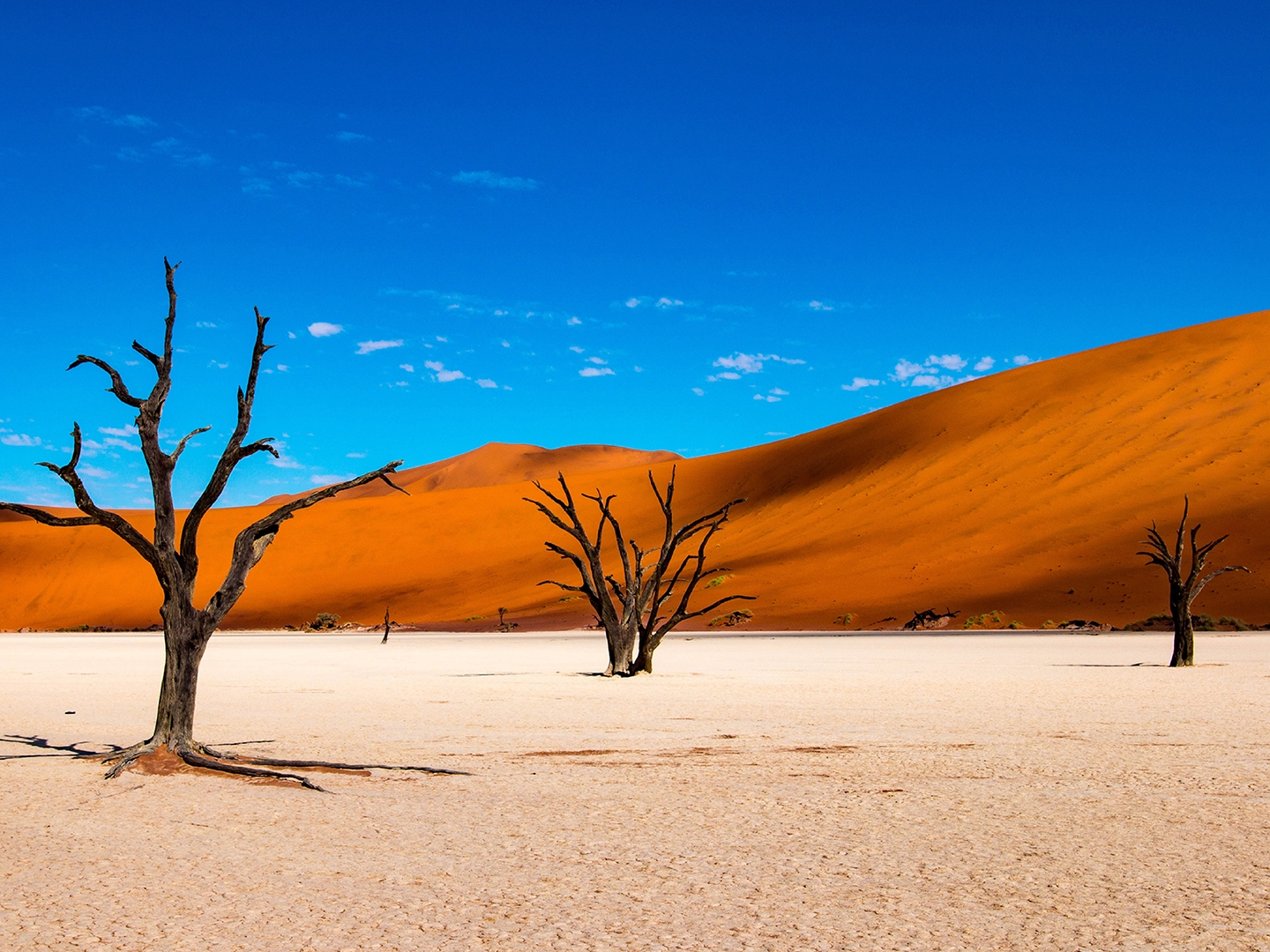
Namibia is located in Africa, in the Southern Hemisphere. It has a coastline on the Atlantic Ocean. It shares land borders with Angola, Zambia, Botswana, and South Africa.
It is about half the size of Alaska. There is 1 time zone, Central Africa Time zone. It does not observe daylight saving time. Namibia is 7 hours ahead of Washington, D.C. during Eastern Standard Time.
38 Metje Street
Klein Windhoek
Windhoek, Namibia
Message failed to load
We are unable to load the message. Visit the main U.S. embassy or consulate website for updates.
Explore our travel guidance topics to prepare for your trip abroad.
Parents traveling to Namibia with minor children must bring unabridged (long-form) birth certificates for their children that shows both parents’ relationship.
Local authorities are responsible for investigating and prosecuting crimes and providing emergency services.
Safety tips:
Transport crimes
Violent assaults on taxi passengers can occur. Petty theft is common and occurs on trains, buses, and in taxis.
American victims of sexual assault are encouraged to contact the U.S. embassy for assistance. Report crimes to the local police at + 264-61-10111 and contact the U.S. embassy at + 264-61-202-5000.
Tourist Protection Units (TPUs) assist tourists that are victims of crime in Windhoek and Swakopmund. Please contact:
Local authorities are responsible for investigating and prosecuting crime.
The U.S. embassy or consulate can:
Mobile devices are vulnerable to compromise, theft, and damage anywhere in the world. Follow these safe practices:
Prior to using GPS abroad:
The tourism industry is not well regulated:
Climbing areas, 4x4 roads, hiking trails, and rivers are unpredictable and dangerous. They are often located in isolated areas without access to communications and away from any medical assistance. Dozens of people, including Americans, have been injured or drowned.
Safety tips:
Counterfeit and pirated goods are common in many destinations.
Learn more about U.S. restrictions on counterfeit and pirated goods:
Faith-based travel includes pilgrimages, service projects, and mission work.
Prepare for your travel using these resources:
There are frequent reports of rapes, particularly in informal settlements.
Make sure you know if your health insurance plan covers any medical expenses coverage abroad. Most U.S. plans do not.
Adequate health facilities are available in Windhoek and other major towns. Health care in rural areas may be below U.S. standards.
For more information:
The air quality varies considerably and fluctuates with the seasons. It is typically at its worst in the Spring. People at the greatest risk from particle pollution exposure include:
Air pollution can be a significant problem in many destinations abroad.
Major roads are generally well maintained, but many rural roads are gravel. Fatal accidents are common.
Public transportation is not widely available outside the capital.
Mariners and passengers planning travel to Namibia should check the following:
Namibia experiences two distinct seasons. Each brings different types of natural disasters and risks:
Summer: Floods and heatwaves
Winter: Drought, fires and dust storms
If you live outside the United States for a long time, you or your family may experience various life events, wish to exercise U.S. citizenship rights, or need to meet U.S. legal obligations while abroad.
38 Metje Street
Klein Windhoek
Windhoek, Namibia
There were no changes to the advisory level or risk indicators. Advisory summary was updated.
Invalid Input
Last Updated: May 28, 2026
Owned by Overseas Citizens Services
An official website of the Department of State - Bureau of Consular Affairs