- Unrest (U)
- Crime (C)
- Health (H)
- Terrorism (T)
- Kidnapping or Hostage Taking (K)
There was no change to the advisory level. The "health” risk indicator was added. Advisory summary was updated.
Review the latest State Department Travel Advisory about Togo. You can plan for safe travel by following the entry and exit requirements, reviewing local laws, and other travel guidance from the U.S. embassy or consulate.
Visit tg.usembassy.gov
Learn more about U.S. and Togo relations at State.gov
Learn more about Travel Advisory levels
in Togo due to risk of crime, terrorism, unrest, kidnapping, and health. Some areas have increased risk. Read the entire Travel Advisory.
Do Not Travel to:
Crime
Violent crime may occur anywhere in Togo. This includes carjacking, robbery, and home invasion.
Terrorism
There is risk of terrorist violence, including terrorist attacks and other activity in Togo. Visit the U.S. Department of State's Country Reports on Terrorism to learn more.
Terrorists may target:
Health
Health facilities are available in major cities. However, routine and emergency care may be limited or unavailable.
Unrest
Avoid demonstrations, protests, political rallies, and large crowds. These events may become violent.
Kidnapping
Do Not Travel to the Northern border region near Burkina Faso due to risk of terrorism and kidnapping.
Armed groups have carried out attacks, including kidnappings, in the northern border region of Togo. Attacks have occurred in areas near Burkina Faso and Benin.
Do Not Travel to areas north of Kande due to risk of terrorism.
Learn more about Travel Advisory levels
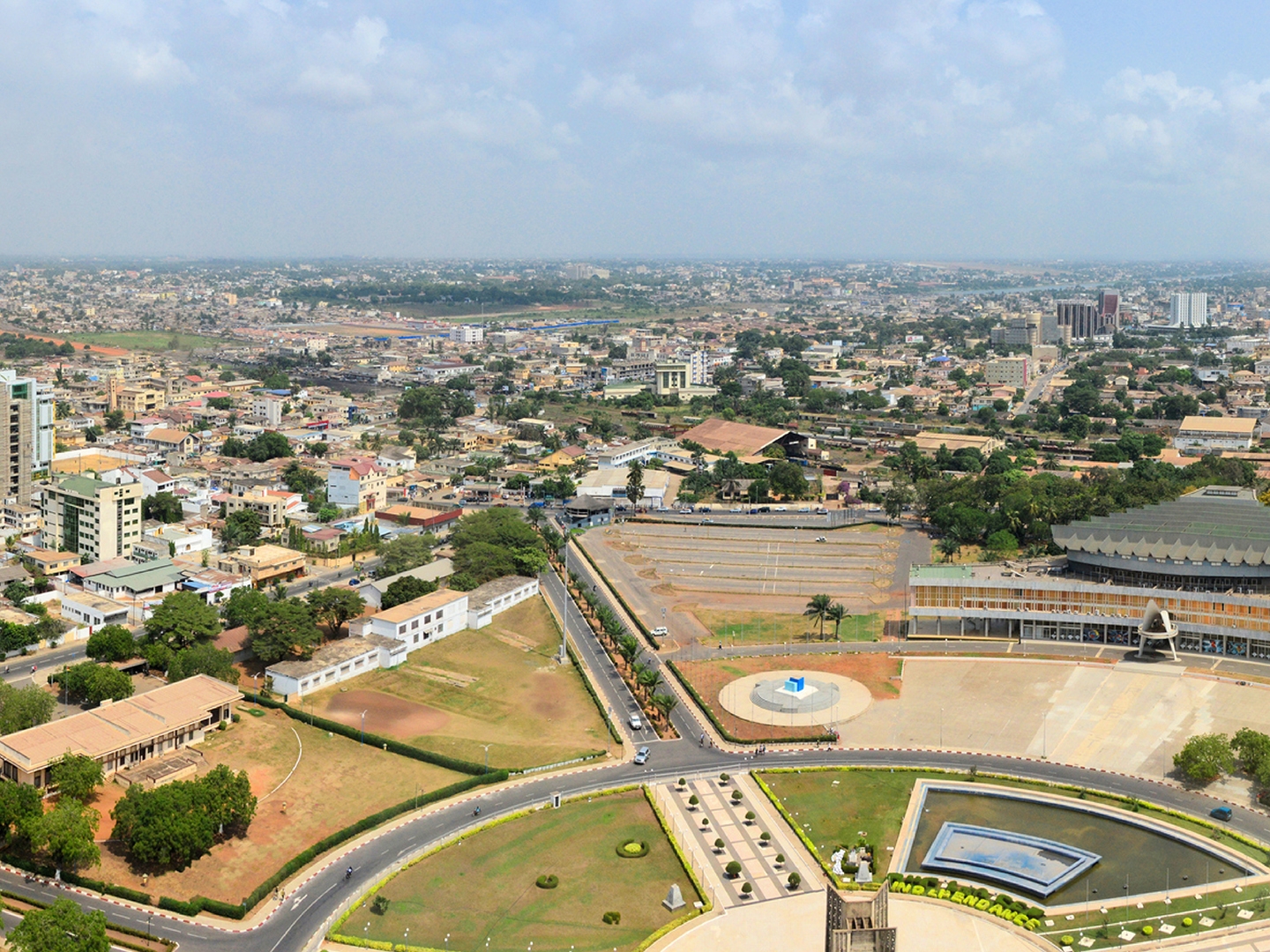
Togo is located in West Africa in the Northern and Eastern Hemispheres. It has maritime borders with the Atlantic Ocean. It shares land borders with Ghana, Burkina-Faso, and Benin.
Togo is slightly smaller than West Virgina. There is 1 time zone, Greenwich Mean Time. Togo does not observe daylight savings time. Togo is 5 hours ahead of Washington, D.C. during Eastern Standard Time.
4332 Boulevard Eyadema
Cité OUA, B.P.852
Lomé, Togo
Message failed to load
We are unable to load the message. Visit the main U.S. embassy or consulate website for updates.
Explore our travel guidance topics to prepare for your trip abroad.
Date issued: July 30, 2026
You must submit visa applications at least 5 days in advance of travel.
Always bring a copy of each child’s birth certificate or other evidence of your legal relationship to each child.
The U.S. Department of State is unaware of any HIV and AIDS entry restrictions for visitors to or foreign residents living in Togo.
Local authorities are responsible for investigating and prosecuting crimes and providing emergency services.
Terrorists and their supporters may target U.S. citizens abroad.
Terrorists may target:
Violent terrorist groups are active along the border region in northern Togo. They have targeted Westerners in attacks and kidnappings throughout the Sahel region.
Avoid traveling at night outside of Lome because of insecurity and poor road conditions. There is lack of infrastructure, emergency response capability, and quality medical care.
Follow the Department of State guidelines to protect yourself from scams.
If you are a victim of a scam, learn how the FBI can help.
Be careful when using dating apps or online dating websites while abroad. Scammers may target U.S. citizens.
Financial scams and internet romance scams are common in Togo. Be careful of anyone asking for money, especially those who start a "romantic" relationship online or claim local authorities want money. Scams often begin through online posts, emails, or letters. Scammers often pretend to be U.S. citizens in need of help.
Local authorities are responsible for investigating and prosecuting crimes. You may report crimes to the local police by dialing 17 for police emergencies. Contact the U.S. Embassy in Lome for consular assistance during normal operations and after-hours at + 228-22-61-54-70 .
Review our information for Victims of Crime.
The U.S. Embassy in Togo can:
Mobile devices are vulnerable to compromise, theft, and damage anywhere in the world. Follow these safe practices.
Prior to using GPS abroad:
No formal tourism industry infrastructure is in place:
U.S. citizens are encouraged to purchase medical evacuation insurance. Review our information on Travel Insurance.
U.S. citizens must follow local laws. If you break local laws, even by mistake, you could be arrested, imprisoned, or deported.
Togo’s constitution prohibits arbitrary arrest. It allows people to challenge their detention in court, but laws are inconsistently applied.
Counterfeit and pirated goods are common in many destinations.
Faith-based travel includes pilgrimages, service projects, and mission work.
Change settings
Prepare for your travel using these resources:
Togolese local law prohibits “acts against nature committed with an individual of one’s sex.” This refers to same-sex sexual activity.
The law in Togo does not mandate accessibility to public or private facilities for persons with disabilities.
The law prohibits violence against women. However, domestic violence, including spousal abuse, is commonly reported.
Sexual assault and domestic violence are common in Togo.
Ambulances are not widely available.
Make sure you know if your health insurance plan covers any medical expenses coverage abroad. Most U.S. plans do not.
We strongly recommend supplemental insurance to cover medical evacuation.
The Government of Togo requires [proof of?] a yellow fever vaccination for entry.
Stay up to date with the vaccines recommended by the U.S. Centers for Disease Control and Prevention.
Medical facilities in Togo are extremely limited.
Always carry your prescription medication in original packaging, along with your doctor’s prescription.
U.S. Customs and Border Protection (CBP) and the Food and Drug Administration (FDA) have rules for bringing medication back into the United States. If you buy medications abroad, the medications must meet CBP’s and the FDA’s requirements to bring them back legally.
The medications must also be for personal use and approved for use in the United States.
For more information:
U.S. citizens have had serious complications or died while getting care from non-traditional “healers” and practitioners in Togo.
Air pollution can be a significant problem in many destinations in Togo.
Driving in Togo is generally riskier and more challenging than in the United States. Togo has paved roads leading from Lome to most major cities.
Exercise extreme caution when traveling by road. The driving culture is chaotic. Vehicles often fail to follow basic traffic laws.
Driving can be chaotic, particularly in the crowded city center and in the dense neighborhoods along the Ghanaian border.
Safety standards for small, private buses and taxis are substandard.
Mariners and passengers planning travel to Togo should check the following:
Heavy rain and floods
The rainy season in Togo lasts from late May until the end of October. It can cause severe flooding.
If you live outside the United States for a long time, you or your family may experience major life events (such as marriage, birth of a child, or death of a family member), wish to exercise U.S. citizenship rights, or need to meet U.S. legal obligations while abroad.
4332 Boulevard Eyadema
Cité OUA, B.P.852
Lomé, Togo
There was no change to the advisory level. The "health” risk indicator was added. Advisory summary was updated.
Invalid Input
Last Updated: July 30, 2026
Owned by Overseas Citizens Services
An official website of the Department of State - Bureau of Consular Affairs