Skip to content

Peru

Review the latest State Department Travel Advisory about Peru. You can plan for safe travel by following the entry and exit requirements, reviewing local laws, and other travel guidance from the U.S. embassy or consulate.

Travel advisory levels

Learn more about Travel Advisory levels

  1. Exercise normal precautions
  2. Exercise increased caution
  3. Reconsider travel
  4. Do not travel

Travel advisory - Republic of Peru

Level 2 - Exercise increased caution

4
Date issued: May 16, 2025 -
  • Crime (C)
  • Terrorism (T)
  • Unrest (U)
  • Kidnapping or Hostage Taking (K)

Exercise increased caution

in Peru due to crime, civil unrest, and the risk of kidnapping. Some areas have increased risk. Read the entire Travel Advisory.

Do not travel to:

  • The Colombia-Peru border area in the Loreto Region due to crime. 
  • The Valley of the Apurímac, Ene, and Mantaro Rivers (VRAEM), which includes Vilcabamba, due to crime and threats of terrorism.   
  • Some areas within the regions of Ayacucho, Cusco*, Huancavelica, and Junín, due to crime and threats of terrorism.

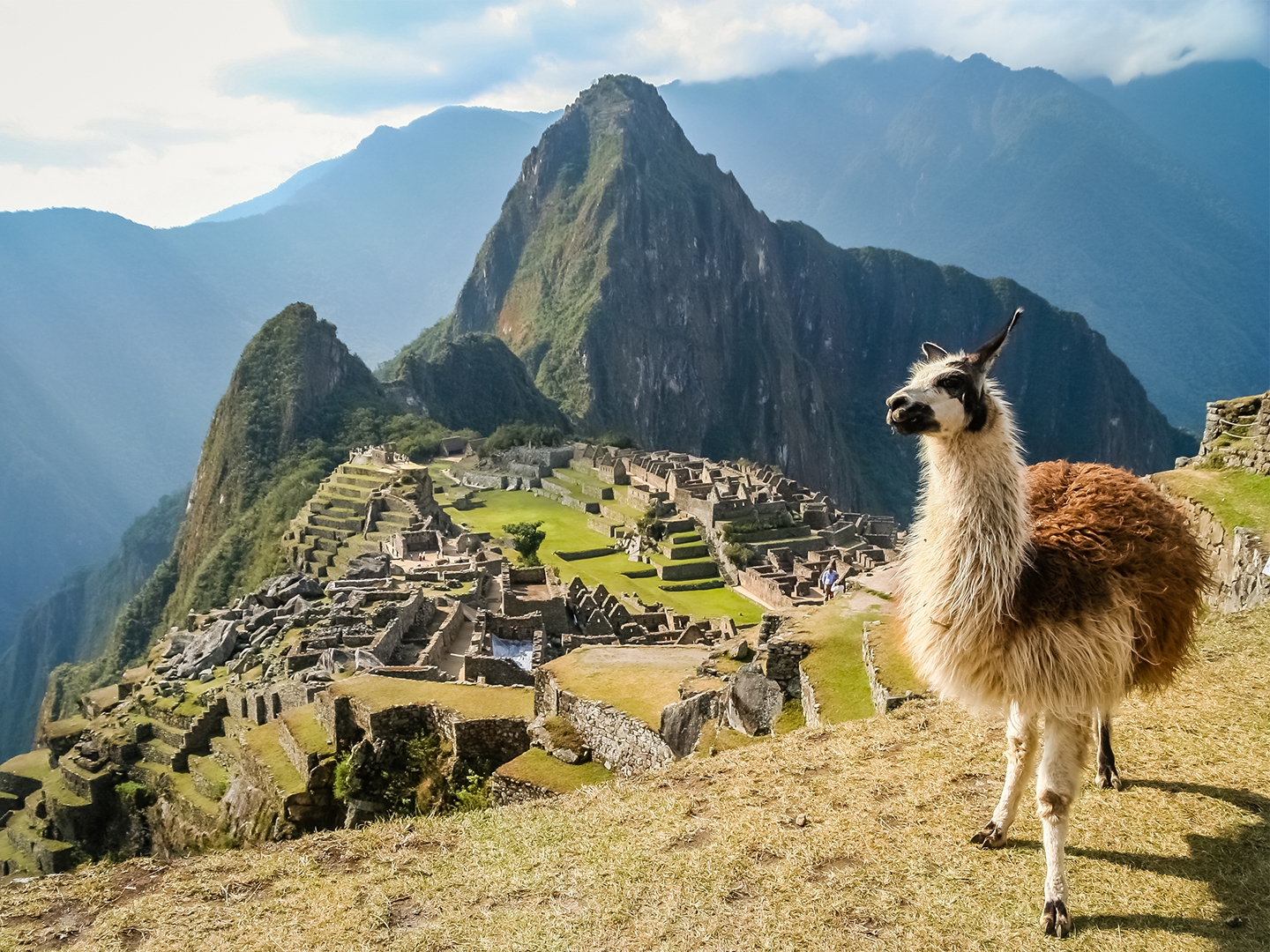
    * The city of Cusco and popular tourist sites nearby, like the Sacred Valley, the Inca Trail, and Machu Picchu, are not located in the affected area.
      

Advisory summary

Crime is common in Peru. Petty theft, carjackings, muggings, assaults, and other violent crime often happen even in daylight hours and with many witnesses around. Kidnapping is rare, but it does occur. The risk of crime increases at night. Criminal groups sometimes set up roadblocks to rob people in areas outside of Lima. 

Ayahuasca and Kambo Usage

U.S. travelers should not use Ayahuasca or Kambo because of the known dangers. U.S. citizens have suffered serious illness and, in some cases, died after taking these drugs. They have also been sexually assaulted, injured, or robbed while under the influence of these substances.   

Demonstrations

Demonstrations occur regularly throughout the country. Public demonstrations can take place for a variety of political and economic issues.   Demonstrations can shut down local roads, trains, and major highways. This often happens without warning or clear information on reopening times.  Road closures can limit access to public transportation and airports. Closures may also disrupt travel in and between cities.

Due to road safety risks, U.S. government employees working in Peru are prohibited from nighttime driving except within cities, between Lima and Huacho (to the north), and Lima and Paracas (to the south). U.S. government employees working in Peru may travel at night with commercial bus companies along the Pan-American Highway, to Huaraz, and on the Lima-Arequipa-Cusco corridor.

  • Review the Travel Guidance for additional information on travel to Peru.

Risks in specific areas

Expand all

Level: 4 - Do not travel

Colombian-Peruvian border area in the Loreto Region
  • Do not travel to these areas for any reason. 
  • Drug trafficking and crime, plus poor infrastructure, limit how well Peruvian law enforcement can operate in this area. 
  • Due to the risks, U.S. government employees working in Peru must obtain special authorization to travel within 20 kilometers of the Peru-Colombia border in the Loreto region.  They cannot travel on the Putumayo River, which forms much of the Peru-Colombia border.  Due to the risks, the U.S. government cannot provide emergency services to U.S. citizens in this area.
Valley of the Apurímac, Ene, and Mantaro Rivers (VRAEM) includes areas within the Departments of Ayacucho, Cusco, Huancavelica, and Junín
  • Do not travel to these areas for any reason. 
  • Drug trafficking and crime, plus poor infrastructure, weaken Peruvian law enforcement’s ability to act effectively in this area. 
  • Remnants of the Shining Path terrorist group are still active in the VRAEM. The group might strike suddenly. They target Peruvian government sites and staff. 
  • Due to security risks, U.S. government employees working in Peru must obtain special authorization to travel to the VRAEM. Due to the risks, the U.S. government can’t provide emergency services to U.S. citizens in the VRAEM.

If you decide to travel to Peru:

  • Stay aware of your surroundings. 
  • Visit our website for Travel to High-Risk Areas
  • Check local media for breaking news. Be prepared to adjust your plans. 
  • Avoid demonstrations and large crowds. 
  • Develop a communication plan with family or your employer or host organization (if you are traveling on business), so that they can monitor your safety and location as you travel through high-risk areas. Specify how you'll confirm you're safe (text, calls, etc.), how often, and who you'll contact first to share the information. 
  • Enroll in the Smart Traveler Enrollment Program (STEP) to receive messages and Alerts from the U.S. Embassy and make it easier to locate you in an emergency. 
  • Review the Country Security Report for Peru. 
  • Prepare a plan for emergency situations. Review the International Travel Checklist
  • Visit the CDC page for the latest Travel Health Information related to your travel and return to the United States. 
  • We strongly recommend that you buy insurance before you travel.  Check with your travel insurance provider about evacuation assistance, medical insurance, and trip cancellation coverage.
Scroll to review full advisory
Travel advisory levels

Learn more about Travel Advisory levels

  1. Exercise normal precautions
  2. Exercise increased caution
  3. Reconsider travel
  4. Do not travel

About Peru

Peru is located in South America, in the Western Hemisphere. It has maritime borders with the Pacific Ocean. It shares land borders with Brazil, Bolivia, Chile, Colombia, and Ecuador. Peru has 25 regions, formally called departments. 

It is slightly smaller than Alaska. There is 1 time zone, Peru Time (PET). It does not observe daylight saving time. Peru is the same time as Washington, D.C. during Eastern Standard Time (EST) and is 1 hour behind Washington, D.C. during daylight saving time (EDT).

Travel requirements

Tourist visa requirements

  • No visa is required for tourist stays of 90 days or less.
  • Travelers on official or diplomatic passports must have a visa, even for tourist stays. 

Vaccinations

  • No vaccinations are required.

Valid passport requirements

  • Must have 6 months’ validity from the date of entry. 
  • 1 blank visa page required for entry stamp.
  • If you lose or suffer theft of your passport while in Cusco, some airlines will deny boarding a domestic flight to Lima (for a temporary replacement passport at the embassy). Check with your airline for boarding requirements.

Currency on entry and exit

  • Entry maximum: $30,000 USD or its equivalent in cash or negotiable items is the maximum allowed for entry. More than $10,000 USD must be declared to customs and the legal source proven.
  • Exit maximum: Same limits as entry.

Tips from the U.S. embassy

  • Verify that your entry to Peru is registered upon arrival regardless of your port of entry, including land border crossings.
  • Travel insurance is strongly recommended. Most private hospitals require payment in advance and may not accept U.S. insurance.
  • Altitude sickness is a serious concern in high-elevation areas like Cusco and Lake Titicaca. Consult a doctor about preventive medication before traveling. 
  • Emergency medical resources outside of major metropolitan areas are limited.
  • Do not use dangerous hallucinogens such as ayahuasca or kambo, often marketed as ceremonial or spiritual cleansers. U.S. citizens have suffered serious illness or death after taking these drugs. They have also been sexually assaulted, injured, or robbed while under the influence of these substances. 

Help for U.S. citizens

U.S. Embassy Lima

Avenida La Encalada cdra.
17 s/n Surco, Lima 33 Peru

Main telephone:

+51-1-618-2000

Emergency after-hours:

+51-1-618-2000

Online Navigator: U.S. Citizen Services Assistant

EMBASSY UPDATE
Previous messages

Message failed to load

We are unable to load the message. Visit the main U.S. embassy or consulate website for updates.

Get embassy updates right to your inbox
Enroll In Step
Review how STEP works

Travel guidance for Peru

Explore our travel guidance topics to prepare for your trip abroad.

Date issued: August 20, 2026

Select a topic

Entry, exit, and visa requirements

Helpful resources

Entry requirements

Your passport must be valid for at least 6 months after you enter Peru. If it is not,  you will be denied entry.

  • Peruvian border officials determine your approved length of stay at the time of entry. Overstays result in fines you must pay to Peru to leave the country.
  • The U.S. embassy cannot help if you are denied entry into Peru. Airlines must return travelers who are denied entry to their point of origin.
  • Make sure immigration officials record your entry into Peru upon arrival. An entry record, such as a passport stamp, is required even at remote land border crossings.
  • Travelers should avoid unofficial land border crossings where there is no Peruvian immigration official to provide an entry stamp. Without an entry stamp, it can be difficult to exit Peru.
  • If you do not have an entry record, you will not be allowed to exit the country until immigration authorities confirm the time and place of your entry into the country. Fixing this can take several weeks. You must work with Peru’s immigration office, called Superintendencia Nacional de Migraciones. You will likely have to pay an exit fine and can be subject to a 15-year ban on re-entering Peru.

Traveling with children

Always bring a copy of each child’s birth certificate or other evidence of your legal relationship to each child.

  • Immigration rules are complicated for minor children traveling without one or both parents or a legal guardian.
  • U.S. citizen minors under the age of 18 traveling to Peru alone or with only one parent do not usually require additional documentation if entering with a U.S. passport as a tourist and staying for less than 183 days.
  • If you have concerns that your child may be abducted abroad by their other parent or guardian, review our information on how to prevent an international parental child abduction. You can also review our information on Parental Child Abduction in Peru.
  • Review our information on Traveling with Minors.
Dual citizen minors
  • If your stay lasts more than 183 days, or if your children are dual U.S.-Peruvian nationals entering Peru with their Peruvian passport, they must have an "Autorización de Viaje para Menores de Edad" (Travel Authorization for Minors) to leave the country, regardless of the length of their trip.
  • You can get an "Autorización de Viaje para Menores de Edad" (Travel Authorization for Minors) from a Peruvian notary or a judge, or overseas at a Peruvian consulate.
  • An "Autorización de Viaje" is a written, notarized travel authorization issued by the Peruvian government with the approval and consent of the non-traveling parent.
  • Peruvian immigration authorities will not accept a document notarized by the U.S. embassy or a U.S. notary as a replacement of the "Autorización de Viaje."
  • An apostilled U.S. birth certificate may be required for issuance of an "Autorización de Viaje."
  • Please refer to the Peruvian Ministry of Foreign Affairs’ website for more information.  There are very limited exceptions to this rule.
  • The U.S. Embassy cannot assist travelers who are prevented from traveling for lack of an “Autorización de Viaje.”

HIV and AIDS restrictions

  • The U.S. Department of State is unaware of any HIV and AIDS entry restrictions for visitors to or foreign residents of Peru.

Currency

  • The Peruvian Sol is the official currency of Peru.
  • Most establishments accept credit cards, but vendors may charge additional fees. Be prepared to pay bills in cash.  
  • Peru has ATMs that accept U.S.-issued bankcards. But ATMs may be out of order or charge high fees.

Emergency phone numbers

Local authorities are responsible for investigating and prosecuting crimes and providing emergency services.


Terrorism

Terrorists and their supporters may target U.S. citizens abroad.  They may use simpler methods of attack like knives and vehicles to target crowds.  They often go after unprotected or vulnerable targets.

Terrorists may target:

  • Large public events (sporting contests, political rallies, demonstrations, holiday events, celebratory gatherings, etc.)
  • Popular hotels, clubs, and restaurants
  • Places of worship
  • Schools
  • Parks
  • Shopping malls and markets
  • Public transportation (subways, buses, trains, and commercial flights)
U.S. government employee restrictions

U.S. Embassy Lima limits employee travel to the VRAEM (Valley of the Apurímac, Ene, and Mantaro Rivers) and parts of the Colombian border.  This policy is based on current safety conditions.


Demonstrations 

Demonstrations are common.  They may take place in response to political or economic issues or for other reasons.  They may also occur on significant holidays, and during large events.

  • Demonstrations can be unpredictable.  Avoid areas around protests and other demonstrations. 
  • Past demonstrations have turned violent.
  • Check local media for updates and traffic advisories.

Crime

Crime is a widespread problem in Peru. All types of crime occur in Peru. The most frequent are robberies and pickpocketing.  Sexual assaults and rapes can occur, even in tourist areas.

Safety tips
  • Travel in groups when possible, especially in unfamiliar areas or at night.
  • Stay alert in crowded areas and on public transportation, where thieves may create distractions.
  • Avoid walking alone in isolated areas, especially after dark.
  • Do not leave food or drinks unattended and be cautious if a stranger offers you food or beverages.
  • Intoxicated travelers have been sexually assaulted, injured, or robbed while under the influence of drugs or alcohol.
  • Incapacitating drugs like Rohypnol and scopolamine are used in crimes; seek medical help if you feel ill or suspect drugging.

Theft

  • Cell phone theft is common. Keep your phone secure, avoid displaying it in public, and use passcodes and tracking apps.
  • Pickpocketing, robbery, and hotel theft are common. Armed robberies occur in cities, and victims are targeted for valuables—do not resist.
  • Use hotel safes, avoid wearing expensive items, and carry only necessary cash or cards.
  • Use ATMs inside banks or shopping centers and avoid withdrawing large amounts of cash.
  • Keep your credit card in sight during transactions to prevent skimming; vendors may request ID or passport details.

Remote and high-risk areas

  • There is little government presence in many remote areas of the Andes and Amazon basin.
  • Drug trafficking and other criminal activity, combined with poor infrastructure, limit the capability and effectiveness of Peruvian law enforcement in these areas.
  • The U.S. government has limited ability to provide emergency services to U.S. citizens along the Colombian border and in the VRAEM. U.S. government personnel are restricted from traveling in these regions.

Scams

Follow the Department of State guidelines to protect yourself from scams.

If you are a victim of a scam, learn how the FBI can help.  

  • Internet romance scams and financial scams may occur in Peru. Be careful of anyone asking for money, especially those who start a "romantic" relationship online or claim local authorities want money.  Scams often begin through online posts, emails, or letters. Scammers pretend to be U.S. citizens in need of help.

Common scams include:

  • People claiming to be U.S. military personnel
  • People claiming to be detained or hospitalized abroad
  • People claiming to belong to false travel agencies
  • Romance and online dating
  • Money transfers
  • Grandparent and relative targeting
  • Free trip or luggage
  • Lotteries
  • Inheritance notices
  • Work permits and job offers
If using dating apps or websites in Peru: 
  • Criminals may use dating apps to target potential victims for robbery or assault.
  • Let your friends and family know where you are and consider sharing your location on your phone. 
  • Meet in a popular public place.
  • Tell your family or friends all the details about the person you are meeting and how you met them (which app).
  • Set up and talk using a video call before agreeing to meet in person. 
  • Avoid locations where you can be isolated, like hotel rooms, private apartments or houses.
  • Never leave food or drinks unattended at a bar or restaurant.
  • Observe the preparation of your food or drink order when possible.
  • Refuse offers of food or drinks from strangers.
  • Have a communication plan with friends or family. Send updates to them on an agreed schedule.

Victims of crime

Local authorities are responsible for investigating and prosecuting crimes. You may report crimes to the local police by dialing 105 (National Police) or 0800-2221 (tourist police).

The U.S. embassy or consulate can:

  • Replace a stolen or lost passport.
  • Help you find medical care. 
  • Assist you in how to report a crime to the police.
  • Contact relatives or friends with your written consent.
  • Provide general information regarding the criminal justice system. 
  • Provide a list of local attorneys. We do not endorse or recommend any specific attorneys.
  • Provide information on victim’s compensation programs in the United States.
  • Provide an emergency loan for repatriation to the United States or limited medical support in cases of need.
  • Help you find accommodation and options to travel home.

Sexual assault and domestic violence

  • U.S. citizen victims of sexual assault are encouraged to contact the U.S. embassy and local law enforcement for assistance.
  • U.S. citizen victims of domestic violence are encouraged to contact the U.S. embassy and local law enforcement for assistance.

Technology use abroad

Mobile devices are vulnerable to compromise, theft, and damage anywhere in the world. Follow these safe practices:

  • Update all software (operating system and apps) before leaving the United States.
  • Use reputable, U.S.-based VPN or VoIP applications. 
  • Don’t connect to public Wi-Fi networks.
  • Be cautious using dating apps abroad, as scammers often target U.S. citizens.

Drones

Drone use in Peru is legal. You must follow all strict regulations set by the Peruvian Civil Aviation Authority.

  • Only recreational use of drones is allowed.

GPS

Prior to using GPS abroad:

  • Research the route recommended by the GPS to make sure it’s safe.
  • The fastest path may not be the safest.
  • If using a GPS app while walking, step into a store or building to consult the map as thieves target cell phone users in public areas.
  • Travelers may want to obtain a Personal Locating Device if traveling in remote areas.

Tourism safety

The tourism industry is not well regulated:

  • Safety inspections for equipment and facilities are rare.
  • Dangerous areas and activities are not always marked with signs.
  • Staff may not be trained or certified.
  • If you get injured, you will likely need to travel to a major city for appropriate medical care.
  • First responders cannot reach remote areas in case of emergencies.
  • U.S. citizens are strongly encouraged to have medical evacuation insurance.
  • Bus travel throughout the country, as well as train travel to Machu Pichu, can be hazardous.
  • Review our information on Travel Insurance

Adventure travel

Many popular destinations in Peru are remote, including Machu Picchu. These areas have few facilities that can provide advanced or emergency medical care.

  • Local rescue capabilities are limited. Accidents or injuries while hiking or climbing are common.
  • Crisis responders may take hours or even days to reach you. Do not trek or hike alone—use an experienced guide.
  • When using tourist company services, use qualified and licensed operators.
  • Review the Ministerio de Comercio Exterior y Turismo (Tourism Ministry) website for more information on licensed tourism companies. Peru also provides information on tour companies.
  • Before you travel, always check with local authorities about local geography, climate, health, and security conditions that may impact your safety.
  • You may not have access to phone or internet for days at a time. Check in with family prior to going to remote areas and leave detailed written plans and timetables. Use of a personal GPS beacon is encouraged.
  • Review the U.S. Centers for Disease Control and Prevention (CDC) tips for Adventure Travel

Local laws and customs

Criminal penalties

U.S. citizens must follow local laws. If you break local laws, even by mistake, you could be deported, arrested, or imprisoned.  

  • You may be prosecuted in the United States for crimes committed abroad regardless of the local law. Review the information provided by the U.S. Department of Justice about crimes against minors abroad.
  • Before you start a business or a profession in Peru seek information from the local authorities about what permits or licenses are required.
Illegal drugs
  • Penalties for possessing, using, or trafficking in illegal drugs in Peru are severe. Offenders can expect long pre-trial detention and lengthy prison sentences under harsh conditions with significant expense for themselves or their families.
Customs, cultural artifacts, and wildlife restrictions
  • Peruvian law does not allow you to take pre-Columbian objects or other protected artifacts out of the country.
  • Avoid products made of wild plants and animals. Many are of illegal origin and may involve protected or endangered species.
  • Peruvian customs authorities will take away any protected animal or plant that is sold or moved. This includes live animals or products made from them, like food, medicine, leather, crafts, or clothing.
  • Some products, including live animals, require special permits when leaving Peru. 

Arrest notification

If you are arrested or detained, ask officials to notify the U.S. embassy or consulate immediately. 

  • Victims or their families may need to hire lawyers to advance their cases through the legal system. 
  • Peruvian laws can change with little notice. U.S. citizens have reported unethical practices by lawyers and others in the judicial system. The U.S. Embassy cannot give detailed advice about Peruvian law and does not provide translation services.
  • The Ministry of Foreign Affairs has a list of translators.

Counterfeit and pirated goods

Counterfeit and pirated goods are common in many destinations.

  • They may be illegal according to local laws. 
  • Counterfeit and pirated goods may pose significant risks to consumer health and safety. 
  • You may be subject to fines or have to surrender counterfeit and pirated goods to authorities if you bring them back to the United States.

Learn more about U.S. restrictions on counterfeit and pirated goods:


Faith-based travelers

Faith based travel includes pilgrimages, service projects, and mission work. Prepare for your travel using these resources: 


Gay and lesbian travelers

There are no legal restrictions on consensual same-sex sexual relations, the provision of information or services to persons on the basis of real or perceived sexual orientation, or the organization of events focused on sexual orientation in Peru.  

  • Same-sex marriage and civil unions are illegal in Peru. Same-sex marriages from other countries are not recognized.   
  • Two parents of the same sex will not both be listed on the birth certificate for a child born in Peru.
  • Societal discrimination against gay and lesbians in Peru remains high.
  • Review our information for Gay and Lesbian Travelers.

Travelers with accessibility needs

The law in Peru prohibits discrimination against people with disabilities. The law is not consistently enforced.

  • Common accessibility features include ramps, express checkout lanes in stores, and elevators. 
  • Expect accessibility to be limited in public transportation.
  • General accessibility is less common outside of Lima and other large cities.
  • Rental, repair, and replacement parts are available for assistive technologies and accessibility aids, equipment, or devices.
  • Review our information on Accessibility Needs.

Students


Women travelers 


Human rights

Review the Department of State’s Human Rights Report for your destination prior to traveling.

There are increased risks to press freedom. Journalists should review additional safety resources and consider consulting with their organizations' security teams before traveling to Peru.

Health

Health resources


Emergency phone numbers

  • Dial 113 for emergency medical services.

Ambulance services

Ambulance services are not present or unreliable in most areas except Lima and other major cities.

  • Training and response time of emergency responders may be poor.
  • Injured or very ill travelers might prefer to take a taxi or their own car to the nearest major hospital. This option can be faster than waiting for an ambulance.

Medical payments and insurance

Make sure you know if your health insurance plan covers any medical expenses abroad.  Most U.S. plans do not.

  • The U.S. government does not pay medical bills.
  • U.S. Medicare and Medicaid do not cover expenses or bills abroad.
  • Most hospitals and doctors abroad do not accept U.S. health insurance.
  • Most care providers overseas only accept cash payments.
  • Credit card payment is not always available.
  • Private hospitals often need payment up front or proof of good insurance before providing treatment or admitting a patient. 
  • Make sure you know if your health insurance plan provides coverage abroad or reimbursement of payments. The CDC provides more information on types of insurance.
  • We strongly recommend supplemental insurance to cover medical evacuation.
  • If you purchase supplemental insurance, you are responsible for seeking reimbursement from the insurance provider. Follow their instructions for filing claims.

Vaccinations

Stay up to date with the vaccines recommended by the U.S. Centers for Disease Control and Prevention.


Healthcare facilities

Health facilities are available in Lima and other major cities. It may be harder to find adequate health care in rural areas.

  • The U.S. embassy maintains a list of doctors and hospitals. We do not endorse or recommend any specific medical provider or clinic.
  • Public medical clinics lack basic resources and supplies. 
  • Hospitals and doctors often require payment upfront prior to service or admission.
  • Medical staff may speak little or no English.
  • Patients must cover all costs for transfer to or between hospitals.
  • Psychological and psychiatric services are limited, even in larger cities.
  • Hospital-based care is only available through government institutions.

Medical tourism and elective surgery

U.S. citizens have suffered serious complications or died during or after cosmetic or other elective surgery.  

  • Medical tourism is a fast-growing industry. If you want healthcare abroad, you need to know that their medical systems are different from the United States. They don't follow the same rules.
  • Before you travel to Peru for medical reasons, talk to your doctor.
  • Visit the CDC’s Medical Tourism website for information on medical tourism. Find out about the risks of medical tourism and what you can do to prepare before traveling to Peru.
  • We strongly recommend supplemental insurance to cover medical evacuation in the event of unforeseen medical complications. 
  • Your legal options in case of malpractice may be limited in Peru.  
  • Although Peru has many elective or cosmetic surgery facilities, the quality of care varies. If you plan to undergo surgery in Peru, make sure that emergency medical facilities are available, and that professionals are accredited and qualified.

Prescription medications

Always carry your prescription medication in original packaging, along with your doctor’s prescription.

  • Check with the Peru Ministry of Health to ensure the medication is legal in Peru.  
  • Exercise caution when purchasing medication abroad.  Pharmaceuticals are usually easy to buy with few controls.
  • Counterfeit medication is common and may not work, have the wrong strength, or have dangerous ingredients.  You should buy medication with the help of a medical professional and from trusted places.
  • Peru does not allow the importation of psychotropic drugs and narcotics without prior authorization, even with a prescription.  Avoid carrying these medications unless you obtain special authorization from the Peruvian Ministry of Health.  Please review Peru’s rules on medication.
  • U.S. Customs and Border Protection (CBP) and the Food and Drug Administration (FDA) have rules for bringing medication back into the United States.  If you buy medications abroad, the medications must meet CBP’s and the FDA’s requirements to bring them back legally. The medications must also be for personal use and approved for use in the United States.

For more information:


Non-traditional medicine

  • U.S. citizens have had serious complications or died while getting care from non-traditional “healers” and practitioners in Peru.  Make sure you have access to licensed emergency medical facilities if you plan to use one.

Ayahuasca, kambo, or hallucinogens

The U.S. government recommends that U.S. citizens visiting Peru not ingest traditional hallucinogens, often known as ayahuasca or kambo.  These drugs are often marketed to travelers as “ceremonial” or “spiritual cleansers.”

  • Ayahuasca is a psychoactive substance containing dimethyltryptamine (DMT). This is a strong hallucinogen that is illegal in the United States and many other countries.
  • U.S. citizens have suffered serious illness or death after taking these drugs. Some have also been sexually assaulted, injured, or robbed while under the influence of these substances. 
  • These incidents often occur in remotes areas near or within the Peruvian Amazon, far away from modern medical facilities.
  • The Peruvian government does not regulate groups that offer ayahuasca or kambo. These groups may not follow health and safety rules.

Assisted Reproductive Technology (ART) and surrogacy

If you are considering traveling to Peru to have a child through use of assisted reproductive technology (ART) or surrogacy, please review our information on ART and Surrogacy Abroad.

  • Surrogacy is largely unregulated in Peru with no clear legal protections for foreign intended parents.  Surrogacy agreements may not be enforced by Peruvian courts.
  • ART, including surrogacy, is only permitted by law when the gestational mother and the genetic mother are the same person.
  • If you pursue parenthood in Peru using a surrogate, Peruvian law recognizes the surrogate as the legal mother on the child's birth certificate. It can take a year or more to change the birth certificate to show the intended mother’s name.
  • If you plan to have a child in Peru through ART using a surrogate, hire a trusted local lawyer. Be ready for long delays when you register your child’s birth or citizenship.

Water quality and food safety

  • In many areas, tap water is not safe to drink.
  • Bottled water and beverages are generally safe. Use major brands and ensure the seal is intact.
  • Many restaurants and hotels serve tap water unless bottled water is specifically requested.
  • You may want to request no ice in your drinks since it may be made using tap water.
  • Eating uncooked vegetables and fruits can make you sick.
  • Impure water can cause diseases like typhoid, cholera, hepatitis, and dysentery.
  • Make water safe by filtering, boiling, disinfecting, or distilling.

Altitude

  • Many cities in Peru, such as Arequipa, Ayacucho, Cusco, Huaraz, and Puno are at high altitude.
  • Be aware of the symptoms of altitude sickness and take precautions before you travel.
  • If you have a pre-existing medical condition, like diabetes or high blood pressure, talk to your doctor before traveling to high altitude cities like Cusco. 
  • Visit the CDC website for more information about Travel to High Altitudes.

Air quality

Air pollution can be a significant problem in many destinations abroad.

  • Check NASA’s Air Quality Forecast, which uses artificial intelligence, historical data, and global pollution modeling to generate a three-day forecast of expected air quality in Panama.
  • For information about common air pollutants, check the CDC’s Air Quality page.
  • For information about the U.S. Air Quality Index and health guidance, check out the EPA’s AirNow.
  • For general health information, visit the Medicine and Health page.

Transportation

Road conditions and safety

Driving in Peru is dangerous. Road conditions are very different from the United States. Learn local driving laws and customs before you drive.

  • Road travel at night is particularly dangerous. Due to safety concerns, U.S. embassy personnel are prohibited from traveling on mountainous roads at night.
  • Roads are often poorly maintained and may lack crash barriers, guard rails, signs, and streetlights.
  • Fog is common on coastal and mountain highways.
  • Slow-moving buses and trucks frequently stop in the middle of the road unexpectedly.
  • When driving in urban areas, taxis and buses often block lanes impeding traffic.
  • Directional signals are often not used, and vehicles frequently turn from the middle through traffic lanes.
  • Traveling in a group is preferable to solo travel. Spare tires, parts, and fuel are needed when traveling in remote areas.
  • Bus travel can be particularly hazardous in some areas.

Traffic laws 

Traffic laws are ignored and rarely enforced, creating dangerous conditions for drivers and pedestrians.

  • You can use your U.S. driver’s license to drive a car in Peru for up to 180 days. An International Driver’s Permit is suggested as well but is not required.
  • International driver's permits are valid for one year, while driver's licenses from other countries are generally valid for 30 days.
  • Seat belts are mandatory for driver and front-seat passengers in a private vehicle.
  • It is against the law to talk on a cell phone while driving, and violators may be fined.
  • While driving outside major cities and on the Pan-American Highway, you must drive with your lights on.
  • If a traffic officer signals you to stop, you must stop.
  • Traffic officers must wear uniforms and identification cards that include their last name on their chest.
  • Traffic officers are not allowed to retain your personal identification or vehicle documents.
  • You should not offer or agree to pay a bribe to traffic officers.
In case of an accident

You must contact local police and stay at the scene without moving your vehicle until the police arrive.

  • This rule is strictly enforced.
  • If you move your car or leave the scene, Peruvian law may treat this as an admission of guilt.
  • If your car is a rental, call the agency or representative of the insurance company provided by the rental agency.
  • Always carry your driver's license, a copy of your passport, and the rental agreement when you drive a rental car.

Taxis and ride-shares

Use app-based taxi service, order a taxi by phone, or use a service connected with a major hotel. Travelers have been assaulted or robbed after hailing an unknown taxi on the street.

  • Authorized taxi booths are present at the airport in Lima that will charge a flat rate according to the destination.
  • Be alert for robberies in which criminals enter a taxi and force victims to withdraw money from ATMs.
  • Uber and other local ride-share apps are widely used in Peru.

Public and commercial transportation  

Rail travel is the main way tourists reach Machu Picchu and other tourist destinations in Peru. However, train services are occasionally disrupted by landslides, derailments, or strikes and protest activity.


Aviation safety oversight

  • The U.S. Federal Aviation Administration (FAA) has found that Peru’s Civil Aviation Authority meets international standards for aviation safety oversight.  FAA's website includes more information on its assessment program.

Weather and natural disasters

Weather conditions

Earthquakes 

Peru sits on the Pacific Ring of Fire. It is highly susceptible to seismic activity. 

Landslides, mudslides and flooding 

During the rainy season from December to April, mountainous and highland areas are prone to landslides and mudslides. These can block roads and affect communities.

  • Landslides are most common in the Andean mountain regions.
  • Heavy rains during the wet season cause river flooding, particularly in the Amazon basin and northern coastal areas.
  • The rainy season peaks between January and March.
Tsunamis and Volcanoes 

Coastal areas face tsunami risk following offshore earthquakes.


Local resources

In the event of a natural disaster, monitor local media and government agencies for updates:

U.S. citizens living abroad

Living abroad resources

If you live outside the United States for a long time, you or your family may experience various life events, wish to exercise U.S. citizenship rights, or need to meet U.S. legal obligations while abroad.

Embassies and consulates

U.S. Embassy Lima

Avenida La Encalada cdra.
17 s/n Surco, Lima 33 Peru

Main telephone:

+51-1-618-2000

Emergency after-hours:

+51-1-618-2000

Online Navigator: U.S. Citizen Services Assistant


U.S. Consular Agency Cusco

Av. El Sol 449, Suite #201
Cusco, Peru

Main telephone:

+51-84-231-474

Emergency after-hours:

+51-1-618-2000