Skip to content

Mongolia

Review the latest State Department Travel Advisory about Mongolia. You can plan for safe travel by following the entry and exit requirements, reviewing local laws, and other travel guidance from the U.S. embassy or consulate.

Travel advisory levels

Learn more about Travel Advisory levels

  1. Exercise normal precautions
  2. Exercise increased caution
  3. Reconsider travel
  4. Do not travel

Travel advisory - Mongolia

Level 1 - Exercise normal precautions

Date issued: July 29, 2026 -

Exercise normal precautions

in Mongolia. 

Advisory summary

Mongolia is generally a safe destination for travelers.

Review our Travel Guidance for Mongolia to learn how to prepare for a safe trip.

If you travel to Mongolia, you should:

  • Enroll in the Smart Traveler Enrollment Program (STEP) to get important updates and alerts from the U.S. embassy or consulate.  Enrolling helps the U.S. embassy or consulate contact you or your emergency contact in an emergency.
  • Review the Country Security Report for Mongolia.
  • Visit the CDC page for the latest Travel Health Information related to your travel and return to the United States.
  • Whether you’re a first time or frequent traveler, use the International Travel Checklist. We highly recommend that you buy insurance before you travel, especially if you plan on engaging in outdoor activities. Check with your travel insurance provider about evacuation assistance, medical insurance, and trip cancellation coverage. 
Scroll to review full advisory
Travel advisory levels

Learn more about Travel Advisory levels

  1. Exercise normal precautions
  2. Exercise increased caution
  3. Reconsider travel
  4. Do not travel

About Mongolia

Mongolia is located in East Asia in the Northern Hemisphere. It is landlocked with no maritime borders. It shares land borders with Russia and China. 

It is slightly smaller than Alaska. Mongolia has 1 main time zone, with a small region in the west observing a second time zone. It does not observe daylight saving time.  Mongolia is 13 hours ahead of Washington, D.C. during Eastern Standard Time.

Travel requirements

Tourist visa requirements

  • No visa is required for 90 days or less.

Vaccinations

  • No vaccinations are required

Valid passport requirements

  • Must have 6 months validity beyond your arrival date.

Currency on entry and exit

  • Entry maximum: 15,000,000 Mongolian tugrik (approx. $4,170) 
  • Exit maximum: 15,000,000 Mongolian tugrik (approx. $4,170) 

Tips from the U.S. embassy

  • Exercise caution when riding horses or camels in Mongolia, even if you are an experienced rider. Riding and training may be different from Western standards.
  • Cell phone and emergency services may not exist in rural areas. Please take precautions and travel with a tour company or in a group.  
  • Always obtain proper certification for souvenirs that may appear to be antiques.

Help for U.S. citizens

U.S. Embassy Ulaanbaatar

Denver Street #3
11th Micro-District
Ulaanbaatar 14190
Mongolia

Main telephone:

+976-7007-6001

Emergency after-hours:

+976-7007-6001

EMBASSY UPDATE
Previous messages

Message failed to load

We are unable to load the message. Visit the main U.S. embassy or consulate website for updates.

Get embassy updates right to your inbox
Enroll In Step
Review how STEP works

Travel guidance for Mongolia

Explore our travel guidance topics to prepare for your trip abroad.

Date issued: July 30, 2026

Select a topic

Entry, exit, and visa requirements

Helpful resources


Visas


Exit bans

  • Mongolian immigration authorities can stop you from leaving Mongolia if you break local laws.
  • If you face an exit ban, consider hiring a local lawyer.

Traveling with children


HIV and AIDS restriction

  • The U.S. Department of State is unaware of any HIV and AIDS entry restrictions for visitors to or foreign residents of Mongolia.

Currency

  • The Mongolian tugrik is the official currency of Mongolia.
  • Credit cards are widely accepted in Ulaanbaatar and in other tourist destinations. However, credit cards are rarely accepted in other places. Travelers should carry sufficient cash when visiting these regions.  

Overland travel to or from China and Russia

Land border crossings may open or close without notice. Not all border crossings may be open to foreigners. Information on border status is available in Mongolian. 

Review the China and Russia Destination Information pages for more information.

Safety and security

Emergency phone numbers

Local authorities are responsible for investigating and prosecuting crimes and providing emergency services. Local authorities and emergency responders usually do not speak English.


Demonstrations

Demonstrations are common. They may take place in response to political or economic issues. They may also occur on significant holidays, and during large events.

  • Demonstrations can be unpredictable. Avoid areas around protests and other demonstrations.
  • Check local media for updates and traffic advisories

Crime

Mongolia is generally safe for most visitors, but both petty and violent crime occur, especially in larger cities and towns.

  • Crime rates peak during major festivals, such as Naadam in July and Tsagaan Sar in January or February.
  • Most violent crime occurs late at night, particularly outside bars and nightclubs.
Crime trends
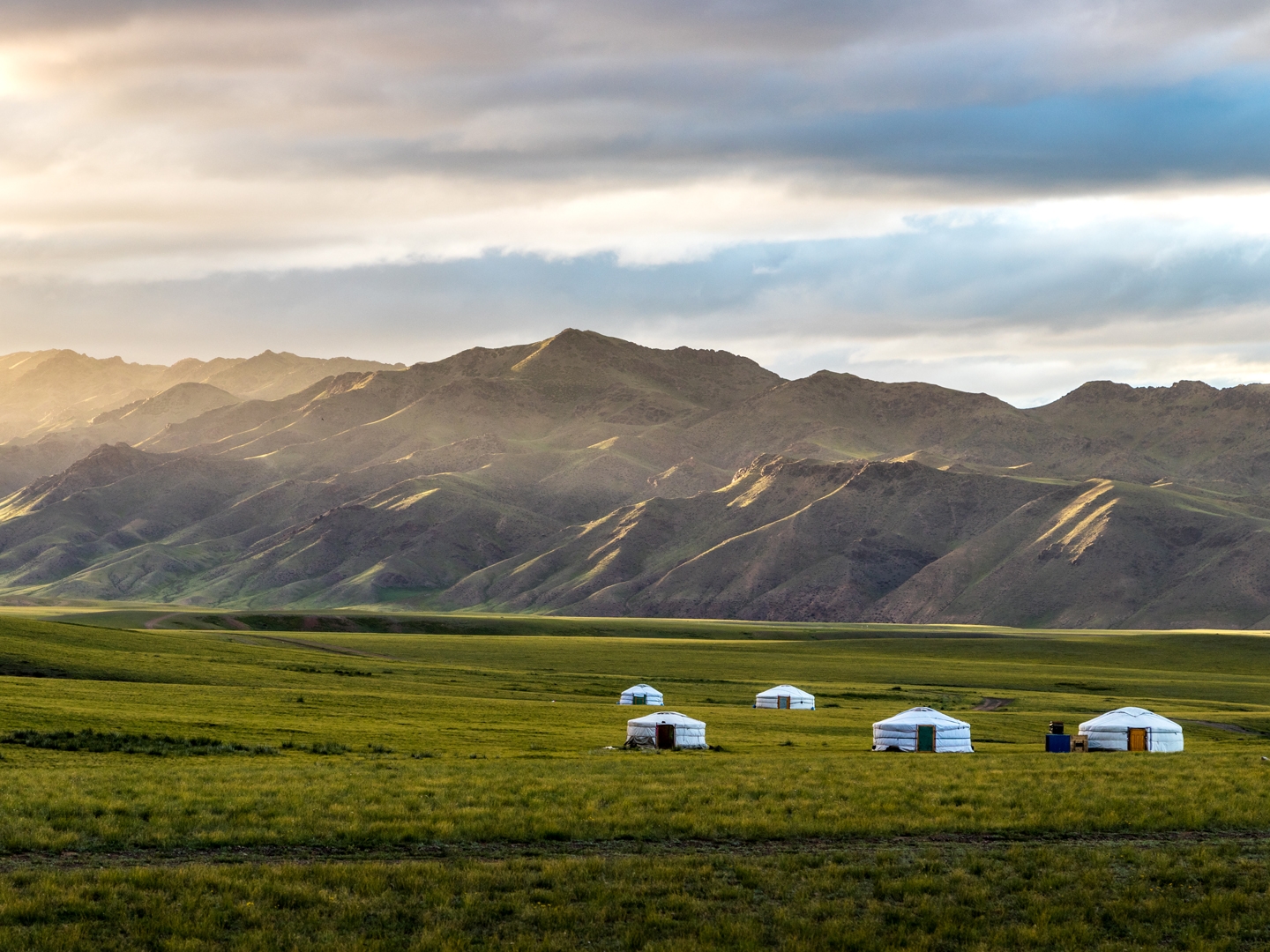
  • Theft: Pickpocketing and bag-snatching are common in crowded areas like markets, train stations, and tourist sites. Burglaries may occur in tourist accommodations, especially in yurt, or “ger,” camps, where doors may not lock.
  • Robbery: Muggings are the most common form of robbery against visitors. Criminals may target people who are alone at night or who are riding in unlicensed taxis.
  • Street harassment: This happens mostly at night and outside Ulaanbaatar. Harassment can range from verbal abuse to physical assault. Criminals may target:
    • Women who are alone.
    • Foreign men accompanied by Mongolian or other Asian women. 
  • Alcohol-related crime: Alcohol is a big part of social culture, but excessive drinking may lead to fights and other crime. Be careful of strangers offering you alcohol, especially at night. It may lead to robbery.
Risky places and situations

You may be a victim of petty or violent crime: 

  • In “ger” districts or tourist camps without adequate security, where burglary and other crime may be more common.
  • While drinking alcohol.
  • In crowded public places, like markets, train stations, and tourist attractions.
  • At bars and nightclubs, and in nearby areas, after dark.
  • In unlicensed taxis and unfamiliar urban neighborhoods at night.
Hate crimes
  • Some nationalist groups have attacked foreigners.
  • Street harassment and assaults may target foreigners, especially at bars and night clubs.
Police responsiveness
  • Police take drug offenses and drunk driving seriously. There are strict enforcement and harsh penalties.
  • Victims of crime, including sexual assault, may need to follow specific procedures. Forensic exams must take place at approved facilities.
  • The U.S. embassy can help U.S. citizens find appropriate resources and understand local procedures.

Scams

Follow the Department of State guidelines to protect yourself from scams.

If you are a victim of a scam, learn how the FBI can help

Financial and internet romance scams are common in Mongolia. Be careful of anyone asking for money, especially those who start a “romantic” relationship online or claim local authorities want money. Scams often begin through online posts, emails, or letters. Scammers pretend to be U.S. citizens in need of help.

Common scams include:

  • People claiming to be detained or hospitalized abroad
  • Money transfers 
  • Online sales scams, particularly on Facebook, where sellers request immediate payment but promise to deliver the product later.
  • Online training sessions that require a registration fee. These sessions may promote pyramid schemes. 

Victims of Crime

Local authorities are responsible for investigating and prosecuting crimes. You may report crimes to the local police by dialing 102.

Review our information for Victims of Crime.

The U.S. embassy can:

  • Replace a stolen or lost passport.
  • Help you find medical care.
  • Assist you in how to report a crime to the police.
  • Contact relatives or friends with your written consent.
  • Provide general information regarding the criminal justice system.
  • Provide a list of local attorneys. We do not endorse or recommend any specific attorneys.
  • Provide information on victim’s compensation programs in the United States.
  • Provide an emergency loan for repatriation to the United States or limited medical support in cases of need.
  • Help you find accommodation and options to travel home. 

Sexual assault and domestic violence

  • U.S. citizen victims of sexual assault are encouraged to contact the U.S. embassy for assistance.

Technology use abroad 

Mobile devices are vulnerable to compromise, theft, and damage anywhere in the world.  Follow these safe practices: 

  • Update all software (operating system and apps) before leaving the United States.
  • Use reputable, U.S.-based VPN or VoIP applications.
  • Don’t connect to public Wi-Fi networks.
  • Research the safety of routes recommended by GPS. The fastest route is not always the safest.
  • Be cautious using dating apps abroad, as scammers often target U.S. 

Tourism safety

The tourism industry is not well regulated:

  • Safety inspections for equipment and facilities are rare.
  • Dangerous areas and activities are not always marked with signs.
  • Staff may not be trained or certified.
  • If you get injured, you will likely need to travel to a major city for appropriate medical care. 
  • First responders cannot reach remote areas in case of emergencies.
  • U.S. citizens are encouraged to have medical evacuation insurance.
  • Review our information on Travel Insurance

Adventure travel

  • Review the U.S. Centers for Disease Control and Prevention (CDC) tips for Adventure Travel.

Local laws and customs

Criminal penalties

  • U.S. citizens must follow local laws.
  • If you break local laws, even by mistake, you could be deported, arrested, or imprisoned.
  • Travelers who accidentally break local laws have been detained. Sometimes this can be for a long time. They may also face criminal charges and even be convicted of a crime.
  • You may be prosecuted in the United States for crimes committed abroad regardless of the local law. Review the information provided by the U.S. Department of Justice about crimes against minors abroad.
  • Before you start a business or profession in Mongolia seek information from the local authorities about what permits or licenses are required.

Arrest notification

If you are arrested or detained, ask officials to notify the U.S. embassy or consulate immediately.

Smuggling: Smuggling of illegal goods, antiquities, and wildlife across borders is common. Travelers have unknowingly carried illegal items. Penalties depend on the item and can include prison time and large fines.


Detention conditions

  • Detainees in Mongolia often can’t get their prescribed or over the counter medications.  
  • Detainees may also miss out on emergency and routine medical care. 

Counterfeit and pirated goods

Counterfeit and pirated goods are common in many destinations.

  • They may be illegal according to local laws.
  • Counterfeit and pirated goods may pose significant risks to consumer health and safety.
  • You may be subject to fines or have to surrender counterfeit and pirated goods to authorities if you bring them back to the United States.

Learn more about U.S. restrictions on counterfeit and pirated goods:


Faith-based travelers

Faith based travel includes pilgrimages, service projects, and mission work. This type of work requires a specific visa. 


Travelers with accessibility needs

The law in Mongolia prohibits discrimination against people with disabilities. However, it applies only to Mongolian citizens. The law is enforced.

  • Expect accessibility to be limited everywhere. Infrastructure in Ulaanbaatar is not accessible. Buildings sometimes lack functioning elevators and most are small.  
  • Sidewalks are common but may be too steep for some people. In the winter, they can be icy or snowy.
  • Mongolians are generally helpful toward people with disabilities. Requests for assistance are typically met with positive responses.
  • Review our information on Accessibility Needs.

Students

Ulaanbaatar has several private high schools that advertise international curricula. Some provide full instruction in English, French, German, Russian, or Chinese. 

  • Families should verify school accreditation and curriculum quality and determine if schools meet their specific educational needs. 
  • Mongolian universities typically offer classes only in Mongolian, though some programs may include English-language courses.
  • Review our information on Studying Abroad.

Women travelers

Domestic violence and sexual assault are serious problems in Mongolia.


Human rights

  • Review the Department of State’s Human Rights Report for your destination prior to traveling.

Health

Health resources


Emergency phone numbers

  • Dial 103 for emergency medical services.  

Ambulance services

  • Ambulance services are widely available. However, training and response time of emergency responders may be poor due to traffic or long travel distances in rural areas. 
  • They often have little or no medical equipment. 
  • Injured or very ill travelers might prefer to take a taxi or their own car to the nearest major hospital. This option can be faster than waiting for an ambulance.

Medical payments and insurance

Make sure you know if your health insurance plan covers any medical expenses coverage abroad.  Most U.S. plans do not. 

  • The U.S. government does not pay medical bills.
  • U.S. Medicare and Medicaid do not cover expenses or bills abroad.
  • Most hospitals and doctors abroad do not accept U.S. health insurance.
  • Medical care is not free in Mongolia if you don’t have local social health insurance. If you require medical attention, you will incur expenses, even if you are treated in a public healthcare facility.
  • Credit card payment may not always be available.
  • Public hospitals don’t ask for payment up front or proof of good insurance before providing treatment or admitting a patient.  
  • Make sure you know if your health insurance plan provides coverage abroad or reimbursement of payments. The CDC provides more information on types of insurance.
  • We strongly recommend supplemental insurance to cover medical evacuation.

Vaccinations

Stay up to date with the vaccines recommended by the U.S. Centers for Disease Control and Prevention.


Healthcare facilities 

  • Health facilities are available in Ulaanbaatar and provincial centers. However, most provincial hospitals lack the staff and equipment to treat critical or life-threatening conditions. 
  • Patients requiring advanced care are typically transferred to specialized hospitals in Ulaanbaatar. It may be harder to find adequate health care in distant rural areas.
  • The U.S. embassy maintains a list of hospitals. We do not endorse or recommend any specific medical provider or clinic.
  • Medical staff may speak little or no English. 
  • Generally, in public hospitals only minimal staff is available overnight in non-emergency wards. Hospitals require patients who require assistance to have family stay the night with the patient, especially a child.
  • Patients must cover all costs for transfer to or between hospitals. 
  • Psychological and psychiatric services are limited, even in larger cities.

Prescription medications 

Always carry your prescription medication in original packaging, along with your doctor’s prescription. 

  • Check with the Embassy of Mongolia in the United States to ensure the medication is legal in Mongolia. 
  • Exercise caution when purchasing medication abroad. Pharmaceuticals are usually easy to buy with few controls.

U.S. Customs and Border Protection (CBP) and the Food and Drug Administration (FDA) have rules for bringing medication back into the United States.  If you buy medications abroad, the medications must meet CBP’s and the FDA’s requirements to bring them back legally. 

The medications must also be for personal use and approved for use in the United States. 

For more information: 


Assisted Reproductive Technology (ART) and Surrogacy

  • Surrogacy is largely unregulated in Mongolia with no clear legal protections for foreign intended parents. Surrogacy agreements may not be enforced by Mongolian courts.
  • If you decide to pursue parenthood in Mongolia via ART with a surrogate, consider hiring a reputable local attorney and be prepared for long and unexpected delays with local authorities while documenting your child’s birth or citizenship status. Be aware that individuals who attempt to circumvent local law risk legal consequences.

Water quality and food safety 

  • Tap water in cities is generally safe to drink and use in cooking. 
  • In rural areas, tap water is not available or safe to drink. 
  • Bottled water and beverages are generally safe. Use major brands and ensure the seal is intact.
  • Many restaurants and hotels serve tap water unless bottled water is specifically requested. 
  • You may want to request no ice in your drinks since it may be made using tap water. 
  • Eating uncooked vegetables and fruits can make you sick.
  • Make water safe by filtering, boiling, disinfecting, or distilling. 
  • Impure water can cause diseases like typhoid, cholera, hepatitis, and dysentery.

Altitude 

Many regions in Mongolia, such as the western provinces, are at high altitude. 

  • Be aware of the symptoms of altitude sickness and take precautions before you travel.
  • If you have a pre-existing medical condition, like diabetes or high blood pressure, talk with your doctor before traveling to high altitude regions like the western provinces of Mongolia. 
  • Visit the CDC website for more information about Travel to High Altitudes.

Air quality

Air pollution can be a significant problem in many destinations abroad. 

  • For information about common air pollutants, check the CDC’s Air Quality page
  • For information about the U.S. Air Quality Index and health guidance, check out the EPA’s AirNow.

Transportation

Road conditions and safety

Avoid driving outside cities at night due to safety risks. Paved roads in the countryside lack lighting, and road conditions can deteriorate rapidly. 

  • Snow may cover roads during heavy snowstorms. Flooding can occur during heavy rain. 
  • Traffic signs exist but may be minimal. Overloaded vehicles travel on rural roads, creating challenging conditions.
  • Emergency services and roadside assistance are rare and difficult to access on rural roads.
  • Mongolians are generally helpful and will call for help or provide direct aid. However, travelers should not expect quick emergency responses. Rural roads are remote and help may take several hours to arrive. Helicopter evacuation is not available.
  • Always carry at least 2 spare tires, refuel at every opportunity, and pack sufficient tools to change tires. 
  • Mongolian road regulations require all vehicles to carry a medical kit, emergency triangle, and fire extinguisher.  

Traffic laws  

U.S. citizens must obtain an International Driving Permit (IDP) to drive in Mongolia. If you stay long-term, you must pass a written test on Mongolian road regulations and get a local driver’s license.

  • Always carry your driver's license, insurance contract, and vehicle registration.  
  • Mongolian drivers can be aggressive. Expect vehicles to cut in front of you without signaling and with little or no warning. 
  • Most drivers may not yield for lane changes, even when signals are used. 
  • Bicyclists and motorcyclists often weave between lanes. 
  • City roads are monitored by AI-enabled cameras for speed violations. Police occasionally monitor rural roads for speeding.
In case of an accident: 
  • Do not move your vehicle. This applies even to minor scratches or to allow other traffic to pass. 
  • Moving your vehicle may result in you being found at fault. Instead, call your insurance company. 
  • For serious damage, call the police.  

Taxis and ride-shares

  • Dial 1900-1950 to call a licensed taxi.
  • Licensed taxis cannot be hailed on the street. You must call them in advance.
  • Avoid unlicensed taxis hailed on the street. Instead, use licensed taxi services. 
  • English proficiency varies among operators. 

Public and commercial transportation


Aviation Safety Oversight

  • The U.S. Federal Aviation Administration (FAA) has not assessed Mongolia’s Civil Aviation Authority for compliance with international standards for aviation safety oversight. FAA's website includes more information on its assessment program

Weather and natural disasters

Weather conditions

Winter weather

  • Arctic temperatures: The cold weather is severe and can be deadly during the winter months.
  • Heavy snowstorms: Severe snowstorms can occur in December and January.  It can also snow throughout the year. 
  • Thin ice danger: Stay off frozen lakes and rivers. Warmer temperatures may create thin surface ice that can break under the weight of people and vehicles.

Flooding

  • Spring floods: Snowmelt floods happen often in April and May, especially in remote areas.
  • Summer floods: Heavy rainfall in summer can cause flooding in both rural and remote areas.

Sandstorms

  • Sandstorms typically affect the southern regions during autumn.

Earthquakes

  • Earthquakes are the most likely natural disaster in Mongolia, though extreme weather is more common.

U.S. citizens living abroad

Living abroad resources 

If you live outside the United States for a long time, you or your family may experience various life events, wish to exercise U.S. citizenship rights, or need to meet U.S. legal obligations while abroad.

Embassies and consulates

U.S. Embassy Ulaanbaatar

Denver Street #3
11th Micro-District
Ulaanbaatar 14190
Mongolia

Main telephone:

+976-7007-6001

Emergency after-hours:

+976-7007-6001