Skip to content

Belize

Review the latest State Department Travel Advisory about Belize. You can plan for safe travel by following the entry and exit requirements, reviewing local laws, and other travel guidance from the U.S. embassy or consulate.

Travel advisory levels

Learn more about Travel Advisory levels

  1. Exercise normal precautions
  2. Exercise increased caution
  3. Reconsider travel
  4. Do not travel

Travel advisory - Belize

Level 3 - Reconsider travel

Date issued: March 12, 2026 -
  • Crime (C)

Reconsider travel

in Belize due to crime. Some areas have increased risk. Please read the entire Travel Advisory.

Reconsider travel to Southside Belize City due to crime.


Advisory summary

Crime

Isolated incidents of violent crime can happen even during the day and in tourist areas, though the south side of Belize City has historically had the highest concentration of violent crime. Crimes include sexual assault, home invasions, armed robberies, and murder. Much of this violence is linked to gangs.

  • Local police lack the resources and training to respond effectively to serious crimes.
  • Most crimes remain unresolved and unprosecuted.
  • Emergency medical services are usually unavailable or significantly delayed. Serious injuries or illnesses normally require medical evacuation to another country.

Due to security risks, U.S. citizens should follow the same guidance as government employees while traveling. U.S. government employees are strongly discouraged from:

  • Traveling to the south side of Belize City from the Haulover Creek Canal to Fabers Road.
  • Driving between cities in Belize after dark.
  • Read the Travel Guidance section page for additional information on travel to Belize.

Risks in specific areas

Expand all

Level: 3 - Reconsider travel

Southside Belize City

Reconsider travel to Southside Belize City due to crime.

  • Violent crime in Belize City mostly happens in the south side of the city. It is often connected to gang activity. U.S. government employees are strongly discouraged from travel to the south side of Belize City from the Haulover Creek Canal continuing south to Fabers Road due to the danger of crime.

If you decide to travel to Belize:

  • Enroll in the Smart Traveler Enrollment Program (STEP) to get important updates and alerts from the U.S. embassy or consulate. Enrolling helps the U.S. embassy or consulate contact you or your emergency contact in an emergency.
  • Review the Country Security Report for Belize.
  • Visit the CDC page for the latest Travel Health Information related to your travel.
  • We highly recommend you buy travel insurance before you travel. Check with your insurance provider about evacuation assistance, medical insurance, and trip cancelation coverage.
  • Prepare a contingency plan for emergency situations. Review the International Travel Checklist.
  • Stay aware of your surroundings.
  • Avoid walking or driving at night.
  • Do not physically resist any robbery attempt.
  • Be extra vigilant when visiting banks or ATMs.
  • Do not display signs of wealth, such as wearing expensive watches or jewelry.
Scroll to review full advisory
Travel advisory levels

Learn more about Travel Advisory levels

  1. Exercise normal precautions
  2. Exercise increased caution
  3. Reconsider travel
  4. Do not travel

About Belize

Belize is located in Central America, in the Western Hemisphere. It has maritime borders with the Caribbean Sea. It also shares land borders with Mexico and Guatemala.

It is slightly larger than the state of Massachusetts. It uses Central Standard Time and does not observe daylight saving time. Belize is 1 hour behind Washington, D.C. during Eastern Standard Time.

Travel requirements

Tourist visa requirements

  • No visa is required for 30 days or less. 

Vaccinations

  • No vaccinations are required.

Valid passport requirements

  • Passport validity: You must have a U.S. passport valid for the length of your stay.
  • Blank passport pages: Must have at least 1 blank page.

Currency on entry and exit

  • Entry maximum: Approximately $10,000
  • Exit maximum: Approximately $10,000

Tips from the U.S. embassy

  • Drug possession and use, including of medical marijuana lawfully purchased in the United States, is illegal in Belize. It may result in detention, fines, and penalties.
  • U.S. permits to carry weapons are not valid in Belize. Bringing firearms, ammunition, cartridges, empty shell casings, explosives, or other weapons into Belize is a serious crime. Violations can lead to large fines or a long time in prison. Before traveling, check your bags or vehicle to remove prohibited items.
  • Private medical care is expensive and often requires upfront payment. Make sure your health or travel insurance covers care outside the United States. Consider purchasing medical evacuation coverage.

Help for U.S. citizens

U.S. Embassy Belmopan

4 Floral Park Road
Belmopan, Belize

Main telephone:

+501-822-4011

Emergency after-hours:

+501-610-5030

EMBASSY UPDATE
Previous messages

Message failed to load

We are unable to load the message. Visit the main U.S. embassy or consulate website for updates.

Get embassy updates right to your inbox
Enroll In Step
Review how STEP works

Travel guidance for Belize

Explore our travel guidance topics to prepare for your trip abroad.

Select a topic

Entry, exit, and visa requirements

Helpful resources


Entry and exit procedures

  • You must have proof of an onward or return ticket, and sufficient funds to cover the cost of your stay.
Visitor extensions

If you plan to stay longer than 30 days, you are required to pay 100 USD a month at a Belize immigration office. This also applies to minors.

  • Visitors must pay the fee for each additional month they stay. This can be done for a maximum of 6 months.
  • Visitors staying longer than 6 months may need to show extra documents to the local immigration office and likely need to pay additional fees.
  • Visit the Belize Immigration website for the most up to date information.
Entering by air and land

You need a passport book to enter Belize. You can’t use a U.S. passport card to enter Belize by air or land.

  • Upon arrival, you must present a completed immigration and customs form.
  • You may fill out a physical form or submit online on the Belize immigration website in advance of your arrival.
Entering by sea on a cruise ship
  • You need a passport book to enter Belize.
  • For U.S. citizens on a cruise ship, if the cruise leaves from and returns to the same U.S. port, you can show an original government-issued birth certificate or certified copy, with raised seal.
  • If you are 16 or older, you also need a government-issued photo identification, such as a valid driver’s license.
Entering by sea on a private boat
  • You need a passport book to enter Belize
  • If you are entering and exiting Belize waters on a private boat or ship, you must submit shipping documents by email, including a notice of arrival to the Belize Port of Authority at least 48 hours in advance.
  • You can find entry requirements, a list of required documents, and the required arrival and departure notification forms on the Belize Port of Authority website.

Traveling with children

  • Always bring a copy of each child’s birth certificate or other evidence of your legal relationship to each child.
  • When children travel to Belize without both parents, immigration officials are required to ask for proof of consent and identification from the non-traveling parent, as well as birth certificates for the children. Documented proof of consent can include notarized letters from the parents, a custody decree, adoption papers, or death certificates if one or both parents have passed away. Otherwise, you must show proof of sole custody.
  • If you have concerns that your child may be abducted abroad by their other parent or guardian, review our information on how to prevent an international parental child abduction. You can also review our information on Parental Child Abduction in Belize.
  • Review our information on Traveling with Minors.

HIV and AIDS restrictions

  • The U.S. Department of State is unaware of any HIV and AIDS entry restrictions for visitors to or foreign residents of Belize.

Currency

  • The Belize dollar is the official currency of Belize.
  • Most establishments accept credit cards. However, some establishments may charge an additional fee for credit card use.
  • Belize has ATMs that accept U.S.-issued bankcards. Some ATMs may charge high fees.
  • Most establishments do not accept $1.00 U.S. bills or other notes if they are worn, torn, or written on.

Safety and security

Emergency phone numbers

Local authorities are responsible for investigating and prosecuting crimes and providing emergency services.

  • Dial 911 for police
  • Dial 911 for ambulance
  • Maritime casualties and incidents should be reported to the National Maritime Communications Center on VHL Channel 16 or Emergency Hotline at 966.

Crime

Tourists are sometimes targeted, especially at resorts and along roads and rivers.

  • Tourists under the influence of alcohol can be targeted or taken advantage of. This includes sexual assault or rape.
  • Crime is high across the country. It includes sexual assault, armed robbery, and murder.
  • Much of the violent crime in Belize occurs in the Southside of Belize City, south of Haulover Creek, and it is gang related.
  • Most crimes remain unsolved and unprosecuted. Local police struggle to investigate crime and catch offenders.

Sexual assault and domestic violence

There have been reports of sexual harassment and assault of people traveling alone or in small groups.

  • Report the incident to the local police by visiting the nearest police station or dailing 911 to get immediate help.
  • The U.S. embassy can help you get a copy of the police report.

Scams

Scams are common in Belize, especially in resort areas.

Follow the Department of State guidelines to protect yourself from scams.

If you are a victim of a scam, learn how the FBI can help.

  • Be careful of anyone asking for money, especially those who start a "romantic" relationship online or claim local authorities want money.
  • Scams often begin through online posts, emails, or letters.
  • Scammers pretend to be U.S. citizens in need of help.
  • Real estate investment scams in Belize have been reported with tactics including false promises of amenities and misleading sales tactics.
  • If you are considering purchasing real estate in Belize, we recommend you seek legal and financial advice from a reputable source before making any decisions.

Victims of crime

Local authorities are responsible for investigating and prosecuting crimes. You may report crimes to the local police by dialing 911or visiting the nearest police station.

The police are only able to investigate if they have an official statement requesting charges to be filed. Belize police do not accept virtual or email statements. Therefore, it’s important to file all necessary reports and complaints before leaving the country.

The U.S. embassy or consulate can:

  • Replace a stolen or lost passport.
  • Help you find medical care.
  • Assist you in how to report a crime to the police.
  • Contact relatives or friends with your written consent.
  • Provide general information regarding the criminal justice system. 
  • Provide a list of local attorneys. We do not endorse or recommend any specific attorneys.
  • Share list of local resources and put you in contact with the relevant authorities if requested.
  • Provide information on victim’s compensation programs in the United States.
  • Provide an emergency loan for repatriation to the United States or limited medical support in cases of need.
  • Help you find accommodation and options to travel home.

Carbon monoxide

U.S. citizens have died from carbon monoxide poisoning in Belize.

  • Many hotels and vacation rental properties do not have carbon monoxide detectors.
  • If you are not sure that your accommodation provides one, bring a portable carbon monoxide detector.

Demonstrations

Demonstrations can happen, sometimes due to political or economic issues, political holidays, or international events.

  • U.S. citizens should not join demonstrations.
  • Avoid areas with protests.
  • Protests can become unpredictable and could turn violent.
  • Check local media for updates and traffic news.

Technology use abroad

Mobile devices are vulnerable to compromise, theft, and damage anywhere in the world. Follow these safe practices:

  • Update all software (operating system and apps) before leaving the United States.
  • Use reputable, U.S.-based VPN or VoIP applications. 
  • Don’t connect to public Wi-Fi networks.
  • Research the safety of routes recommended by GPS. The fastest route is not always the safest.
  • Be cautious using dating apps abroad, as scammers often target U.S. citizens.
  • There are rarely public phones available. Emergency phone numbers don’t always work.
  • Cell phone service is mostly reliable, but reception can be unreliable in remote locations.
Drones

The Government of Belize currently prohibits the temporary importation of drones for recreational or personal use.

  • Belize currently only accepts applications to fly drones from people who live in another country and have been hired to do a job for a local Belize business or organization that has been approved.
  • For the detailed requirements on drone applications, please refer to Civil Aviation’s website.

Tourism safety

  • Dangerous areas and activities are not always marked with signs.
  • If you get injured, you will likely need to travel to a major city for appropriate medical care.
  • First responders cannot reach remote areas in case of emergencies.
  • U.S. citizens are encouraged to have medical evacuation insurance.
  • Review our information on Travel Insurance.

Adventure travel

Participation in adventure sports and activities may not be covered by accident insurance. Safety protections and regulations for these activities may be different from U.S. standards.

  • Make sure your tour operator carries safety equipment, such as life jackets radios, and accident insurance.
  • Do not hand over your U.S. passport for vehicle rentals. Take photographs and videos of the car, golf cart, or ATV’s condition when you rent it.
  • For scuba and snorkel activities, make sure you select a reputable and certified tour operator.
  • It is advisable to have your doctor assess your physical fitness prior to embarking on a scuba or snorkel trip.
  • Review the U.S. Centers for Disease Control and Prevention (CDC) tips for Adventure Travel.

Local laws and customs

Criminal penalties

  • U.S. citizens must follow local laws.
  • If you break local laws, even by mistake, you could be deported, arrested, or imprisoned.
  • Travelers who accidentally break local laws have been detained. Sometimes, this can be for a long time. They may also face criminal charges and even be convicted of a crime.
  • You may be prosecuted in the United States for crimes committed abroad regardless of the local law. Review the information provided by the U.S. Department of Justice about crimes against minors abroad.
  • Before you start a business or a profession in Belize seek information from the local authorities about what permits or licenses are required.

Arrest notification

  • If you are arrested or detained, ask officials to notify the U.S. embassy or consulate immediately.

Detention conditions

Sanitation conditions in Belize detention facilities are not up to U.S. standards.

  • Detention facilities lack basic hygiene essentials, including a bathroom.
  • A detention facility may not provide you with essential medications or medical care. Detainees may also miss out on emergency and routine medical care.
  • Detainees in Belize often can’t get their prescribed or over the counter medications.

Firearms and other weapons

The Department of State warns all U.S. citizens against bringing firearms into Belize. Review our information on traveling abroad with firearms.

  • U.S. permits to carry weapons are not valid in Belize.
  • Bringing firearms, ammunition, cartridges, empty shell casings, explosives, or other weapons into Belize is a serious crime.
  • Violations can lead to large fines or lengthy imprisonment.
  • Before traveling, check your bags or vehicle to remove prohibited items.

Drugs

  • Drug possession and use is illegal in Belize. It can lead to long jail sentences or fines. This includes marijuana, even if its use is allowed where you live in the United States.

Alcohol

Drink alcohol in moderation and seek medical help if you feel ill.

  • The legal drinking age in Belize is 18.
  • There are reports of people getting sick or becoming unconscious from contaminated alcohol.
  • Criminals also drug drinks to rob or sexually assault victims.
  • In Belize, it is illegal to be drunk and disorderly, to drive under the influence of alcohol, or to have open alcohol containers in public or in vehicles.

Beach areas and water activities

Beaches and rivers in Belize can be dangerous.

  • Some beaches and rivers have strong currents, and may lack lifeguards, warning, or signs of unsafe conditions.
  • Do not swim alone, after drinking, or when local authorities indicate dangerous conditions.

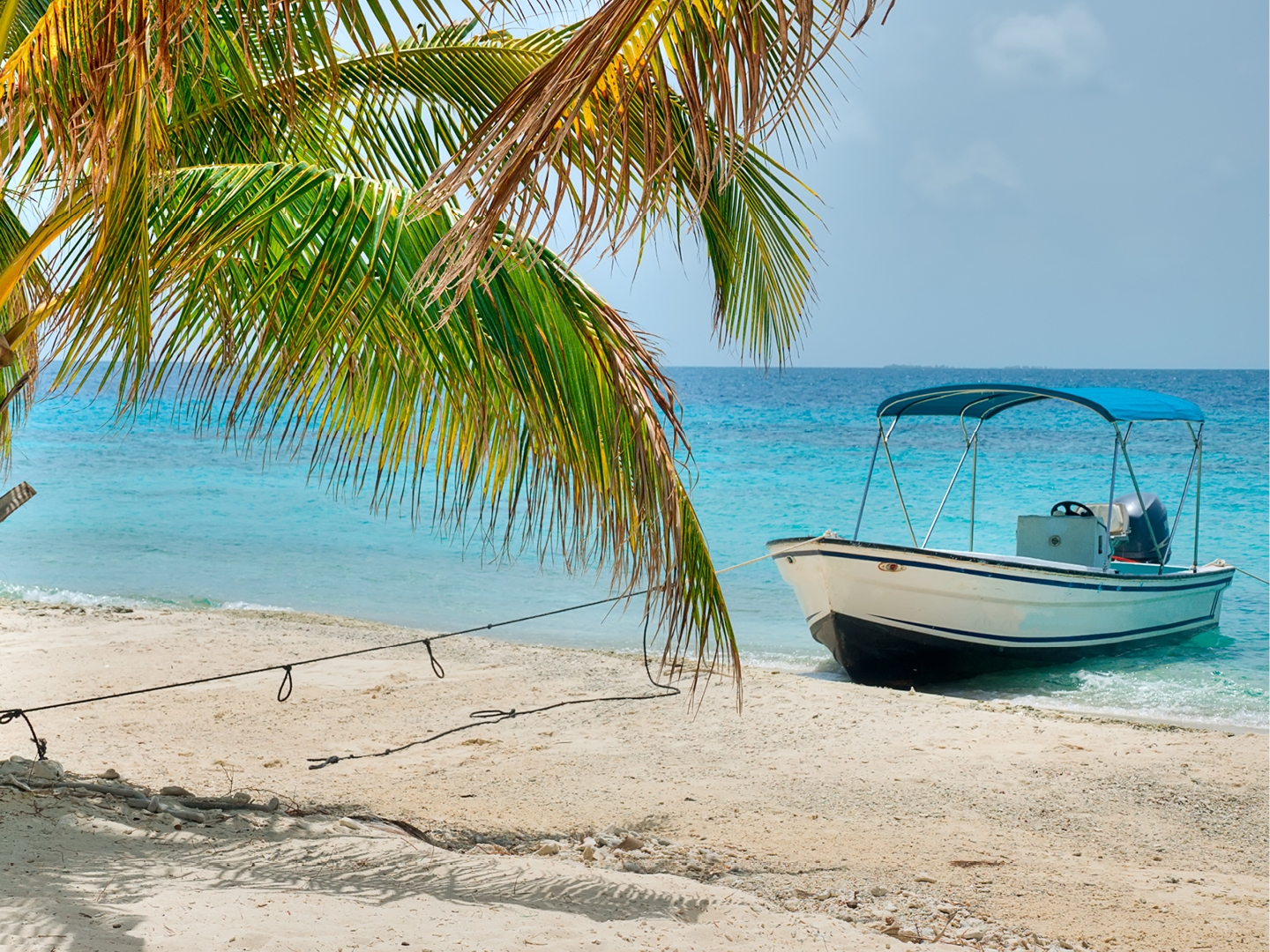
Boating

  • Boats used for excursions may not be covered by accident insurance. 
  • Adventure travel and sports may not be covered by accident insurance. Review information from the CDC to prepare for your trip.
  • Boats may lack life jackets, radios and tools to make repairs.

Counterfeit and pirated goods

Counterfeit and pirated goods are common in many destinations.

  • They may be illegal according to local laws. 
  • Counterfeit and pirated goods may pose significant risks to consumer health and safety. 
  • You may be subject to fines or have to surrender counterfeit and pirated goods to authorities if you bring them back to the United States. 

Learn more about U.S. restrictions on counterfeit and pirated goods:


Faith-based travelers

Faith based travel includes pilgrimages, service projects, and mission work. Prepare for your travel using these resources: 


Gay and lesbian travelers

There are no legal restrictions on consensual same-sex relations, the provision of information or services to persons on the basis of real or perceived sexual orientation, or the organization of events focused on sexual orientation in Belize.

  • While the Immigration Act prohibits “homosexual” persons from entering the country, immigration authorities have not enforced that law.
  • Many people in Belize are hostile towards individuals based on their real or perceived sexual orientation.
  • Tourist friendly areas, including San Pedro Town on Ambergris Caye, remain relatively open and welcoming. Outside of these areas, same-sex couples, especially men, are reluctant to display affection in public. including holding hands. This is because of reports of verbal or physical assault.
  • There have been reports of violence targeting persons based on real or perceived sexual orientation.
  • Human rights organizations have indicated that the police at times refused to accept reports of crime targeting persons based on sexual orientation.
  • Review our information for Gay and Lesbian Travelers.

Travelers with accessibility needs

Accessibility and infrastructure for travelers with disabilities are not up to U.S. standards.

  • The law in Belize does not prohibit discrimination against people with physical, sensory, psychosocial, intellectual or mental disabilities.
  • The law does not provide accessibility to people with disabilities.
  • Expect accessibility to be limited in public transportation, lodging, communication and information, or general infrastructure.
  • Review our information on Accessibility Needs.

Students


Women travelers 

Women traveling alone or in small groups are targets for sexual assault, even in tourist areas.


Human rights

Significant human rights issues have included credible reports of:

  • arbitrary or unlawful killings
  • inhumane and degrading treatment by security officers
  • arbitrary arrest or detention
  • forced resettlement of refugees to a country where they would face serious harm, such as a threat to life or freedom or other mistreatment
  • serious government corruption
  • extensive gender-based violence, including domestic and intimate partner violence

The government has taken credible steps to identify and punish officials who may have committed human rights abuses.

Review the Department of State’s Human Rights Report for your destination prior to traveling.

Health

Health resources


Emergency numbers

  • Dial 911 for emergency medical services.

Ambulance services

Ambulance services are usually unavailable or significantly delayed. Serious injuries normally require evacuation to another country.

  • Training and response time of emergency responders may be poor.
  • Ambulances are not equipped with advanced medical equipment. 
  • Medical care for minor ailments is generally available in urban areas.
  • Advanced medical treatment is scarce in Belize City and Belmopan.
  • In rural and remote areas, even basic medical care is hard to find or is not available at all

Medical payments and insurance

Make sure you know if your health insurance plan covers any medical expenses abroad.  Most U.S. plans do not.

  • The U.S. government does not pay medical bills.
  • U.S. Medicare and Medicaid do not cover expenses or bills abroad.
  • Most hospitals and doctors abroad do not accept U.S. health insurance.
  • Medical care is not free in Belize for travelers. If you require medical attention, you will incur expenses.
  • Lack of payment may bar future travel to Belize.
  • Credit card payment is not always available.
  • Most hospitals and medical professionals require cash payment.
  • Private and public hospitals often need payment up front or proof of good insurance before providing treatment or admitting a patient. 
  • Make sure you know if your health insurance plan provides coverage abroad or reimbursement of payments. The CDC provides more information on types of insurance.
  • We strongly recommend supplemental insurance to cover medical evacuation.
  • If you purchase supplemental insurance, you are responsible for seeking reimbursement from the insurance provider. Follow their instructions for filing claims.

Vaccinations

Stay up to date with the vaccines recommended by the U.S. Centers for Disease Control and Prevention.


Healthcare facilities

Health facilities are available in Belize City and Belmopan. It may be harder to find adequate health care in rural areas.

  • The U.S. embassy maintains a list of doctors and hospitals. We do not endorse or recommend any specific medical provider or clinic.
  • Public medical clinics lack basic resources and supplies. 
  • Emergency services usually encounter significant delays.
  • Serious injuries or illnesses normally require evacuation to another country.
  • Hospitals and doctors often require payment upfront prior to service or admission.
  • Before agreeing to any medical care, travelers should gather full details on billing, pricing, and proposed medical procedures.  
  • Generally, in hospitals only minimal staff are available overnight .
  • Patients must cover all costs for transfer to or between hospitals.
  • Psychological and psychiatric services are limited, even in larger cities.

Prescription medications

Always carry your prescription medication in original packaging, along with your doctor’s prescription.

  • Pharmacy services are generally available in larger cities.
  • Specialized prescription medications may be completely unavailable.
  • Check with the Belize Customs Department at 501-223-7092 or via email at cusnet@btl.net for more information.

U.S. Customs and Border Protection (CBP) and the Food and Drug Administration (FDA) have rules for bringing medication back into the United States.  If you buy medications abroad, the medications must meet CBP’s and the FDA’s requirements to bring them back legally.

The medications must also be for personal use and approved for use in the United States.

For more information:


Assisted Reproductive Technology (ART) and Surrogacy

  • If you are considering traveling to Belize to have a child through use of assisted reproductive technology (ART) or surrogacy, please review our information on ART and Surrogacy Abroad.
  • Surrogacy is largely unregulated in Belize with no clear legal protections for foreign intended parents.  Surrogacy agreements may not be enforced by Belizean courts.
  • If you decide to pursue parenthood in Belize via ART with a surrogate, consider hiring a reputable local attorney and be prepared for long and unexpected delays with local authorities while documenting your child’s birth or citizenship status. Be aware that individuals who attempt to circumvent local law risk legal consequences.

Water quality and food safety

  • In many areas, tap water is not safe to drink.
  • In some locations, tap water is not available every day.
  • Bottled water and beverages are generally safe. Use major brands and ensure the seal is intact.
  • Many restaurants and hotels serve tap water unless bottled water is specifically requested.
  • You may want to request no ice in your drinks since it may be made using tap water.
  • Eating uncooked vegetables and fruits can make you sick.
  • Make water safe by filtering, boiling, disinfecting, or distilling.
  • Impure water can cause diseases like typhoid, cholera, hepatitis, and dysentery.

Air quality

Air pollution can be a significant problem in many destinations abroad.

  • Check NASA’s Air Quality Forecast. It uses Artificial Intelligence (AI), historical data, and global pollution modeling to generate a 3-day forecast of expected air quality in Belize.
  • For information about common air pollutants, check the CDC’s Air Quality page.
  • For information about the U.S. Air Quality Index and health guidance, check out the EPA’s AirNow.
  • For general health information, visit the Medicine and Health page.

Transportation

Road conditions and safety

Road conditions in Belize range from 2-lane paved roads to dirt or gravel tracks.

  • Do not drive at night between cities.
  • Many roads lack markings, reflectors, and shoulders. This can cause road traffic accidents.
  • Many urban streets do not have lane markings. This can make driving confusing.
  • Bridges on some major highways can be reduced to a single lane, sometimes without warning.
  • Roadside assistance is frequently unavailable.

Traffic laws

Driving laws and common driving practices in Belize are different from those in the United States. U.S. citizens should adjust their driving accordingly.

  • Belize has different left-turn rules than the U.S. and most other countries.
    • Use extra caution when making left-hand turns on 2-lane highways.
    • Belizean traffic rules require drivers turning left to signal well in advance, move as far to the right as safely possible, and yield both to oncoming traffic and to vehicles approaching from behind before completing the turn.
    • Drivers in Belize frequently pass on the left. U.S. citizens have been involved in accidents when other drivers attempted to pass them on the left as they were turning left. If you are involved in an accident while turning left, police may find you liable and charge you with driving without due care and attention and causing harm.
  • If you are involved in a traffic accident, contact the local police.
  • Valid U.S. or international driver’s permits are accepted in Belize only for a period of 3 months after initial entry.
  • If you or someone with you are critically injured, go to the nearest hospital. If there are no injuries or risk of life, wait for the police to arrive.
  • Do not move the vehicles or leave the scene if there are no injuries.
  • Failure to stop and ask for help after hitting someone on the road is a criminal offence.
  • Failure to provide urine or blood specimen is a criminal offence.
  • There are many motorcycles and bicycles on the road and part of traffic.
  • Cyclists commonly fail to obey red lights or stop signs and often ride against traffic.
  • Cyclists and pedestrians often do not have any reflectors or bright clothing. They can be difficult to spot.

Taxis and ride-shares

Taxis are common in cities but not as common in rural areas.

  • Taxis are identified by green license plates.
  • Most visitors will need to call a taxi service to order a taxi.
  • Uber and Lyft are not available in Belize.

Public and commercial transportation

Buses are used to travel between cities and are common for short commutes.


Aviation safety oversight

  • The U.S. Federal Aviation Administration (FAA) has not assessed Belize’s Civil Aviation Authority for compliance with international standards for aviation safety oversight. FAA's website includes more information on its assessment program.

Maritime travel

Mariners and passengers planning travel to Belize should check the following: 


Hurricanes and storms

Tropical storm and hurricane season is from June to November:

  • Make plans to prepare for a potential disaster or crisis.
  • Belize experiences heavy rains and floods during the rainy season.
  • Tropical storms and hurricanes commonly make landfall in Belize. This causes coastal and low-lying inland flooding, damage to homes, downed trees, and destruction to infrastructure.
  • Stay informed of incoming storms and avoid these areas if possible.

Droughts

  • Droughts impact Belize during the dry season between February to May. This affects water supply in some communities and also affects agriculture.

U.S. citizens living abroad

Living abroad Resources

If you live outside the United States for a long time, you or your family may experience various life events, wish to exercise U.S. citizenship rights, or need to meet U.S. legal obligations while abroad.

Embassies and consulates

U.S. Embassy Belmopan

4 Floral Park Road
Belmopan, Belize

Main telephone:

+501-822-4011

Emergency after-hours:

+501-610-5030