Email sent successfully!
Thank you for sending a link to the travel.state.gov page to the following email(s):
Indonesia
Official Name: Republic of IndonesiaQuick Facts
-
PASSPORT VALIDITY:
6 months beyond date of arrival
-
BLANK PASSPORT PAGES:
Two
-
TOURIST VISA REQUIRED:
No (for 30 day tourist travel only)
-
VACCINATIONS:
Suggested
-
CURRENCY RESTRICTIONS FOR ENTRY:
None
-
CURRENCY RESTRICTIONS FOR EXIT:
None
-
Embassies and Consulates
-
U.S. Embassy Jakarta
Jl. Medan Merdeka Selatan No. 3 - 5
Jakarta 10110, IndonesiaTelephone: +(62)(21) 3435-9000
Emergency After-Hours Telephone: +(62)(21) 3435-9000 ext. 0 (operator)
Fax: +(62)(21) 385-7189
Consulates
U.S. Consulate General Surabaya
J1. Citra Raya Niaga No. 2
Surabaya 60217
IndonesiaTelephone: +(62)(31) 297-5300
Emergency After-Hours Telephone: +(62)(811) 334-183
Fax: +(62)(31) 567-4492
The consulate should be the first point of contact for assistance to U.S. citizens who are present or residing in the Indonesian provinces of East Java, Nusa Tenggara Timor, Nusa Tenggara Barat, all of Sulawesi and North and South Maluku.
U.S. Consular Agent - Bali
Jalan Hayam Wuruk 310, Denpasar, BaliTelephone: +(62)(361) 233-605
Emergency After-Hours Telephone: Please contact the U.S. Consulate in Surabaya:+(62)(811) 334-183
Fax: +(62)(361) 222-426
American Consulate Medan, Sumatra
Uni Plaza Building
4th Floor (West Tower)
Jl. Let. Jend. MT Haryono A-1
Medan 20231, IndonesiaTelephone: +(62)(61) 451-9000
Emergency After-Hours Telephone: +(62)(61) 451-9000
Fax: +(62)(61) 455-9033
The U.S. Consulate in Medan, provides only emergency assistance to U.S. citizens and does not offer routine consular services.
-
Destination Description
-
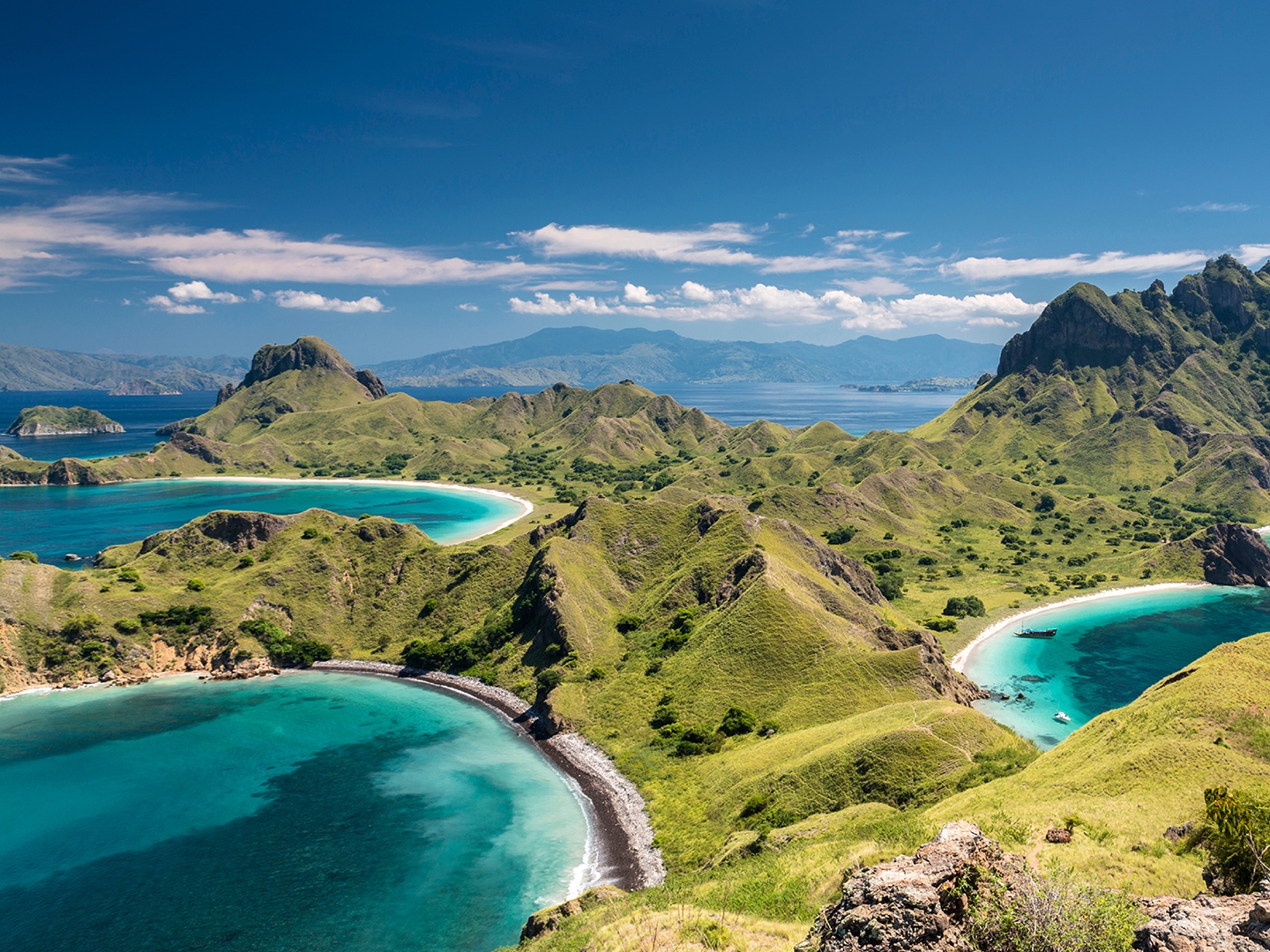
Indonesia is an independent republic consisting of more than 17,500 islands spread over 3,400 miles along the Equator. The main islands are Java, Sumatra, Bali, Kalimantan (Borneo), Sulawesi (Celebes), Papua, Halmahera, and Seram. The capital city of Jakarta is located on the north coast of western Java, the most populated island. The country has approximately 251million people representing more than 300 ethnic groups.
Indonesia's geographic location on the "Ring of Fire," an arc of volcanoes and fault lines encircling the Pacific Basin. As well as its topography make the country prone to natural disasters, especially seismic upheaval. Indonesia is a developing country with a growing economy and many infrastructural shortcomings, especially in rural areas. Read the Department of State’s Fact Sheet on Indonesia for additional information on U.S.- Indonesiarelations.
-
Entry, Exit & Visa Requirements
-
You will need a passport that is valid for at least six months beyond the date of your arrival in Indonesia. The U.S. Embassy cannot obtain entry permission for U.S. citizens whose passports do not meet this requirement. Your passport must also have two blank pages, not including endorsement pages. . If your passport visa pages are nearly full, consider applying for a new passport before you travel If you arrive with a passport that is valid for fewer than six months or does not have two blank pages, Indonesian authorities will require you to depart Indonesia immediately to obtain a new U.S. passport or extra pages; you will not be allowed to enter Indonesia. Also, if your passport does not have the required validity, you may be denied boarding at your point of origin or at a transit point en route.
You may be required to have a visa to enter Indonesia. The visa may be obtained either before you arrive or upon arrival. Holders of a regular passport who are traveling for tourism, business or social purposes may apply for a 30-day visitor Visa-on-Arrival at airports in Jakarta, Bali, Surabaya, Banda Aceh, Medan, Padang, Pekanbaru, Manado, Biak, Ambon, Balikpapan, Pontianak, Kupang, Batam, and South Sumatra. Visa-on-Arrival is also available at a limited number of seaports, including the Batam and Bintan ferry terminals opposite Singapore, but they are unavailable at any land border crossing. An onward/return ticket is required to apply for a Visa-on-Arrival at these ports of entry. Visa-on-Arrival is only for tourism, temporary business, or visits to Indonesian family, friends or social or educational institutions Visa-on-Arrival is valid for 30 days, and costs 35 USD. A Visa-on-Arrival may be extended one time only for a period of 30 additional days. Beginning June 12, 2015, U.S. citizens are eligible for an entry visa exemption as long as their travel is purely for tourism purposes and will be for less than 30 days. U.S. citizens who enter Indonesia under the visa exemption must depart after 30 days, no extension is allowed and no adjustment to another visa status is permitted. In order to be considered for the exemption, citizens must enter and leave through one of five international airports (Soekarno Hatta International Airport in Jakarta, Ngurah Rai International Airport in Bali, Kualanamu International Airport in Medan, Juanda International Airport in Surabaya, or Hang Nadim Airport in Batam) or one of four seaports (Sri Bintan Tanjung Pinang, Sekupang Batam, Batam Centre Batam, or Tanjung Uban Riau). The final decision on whether a traveler qualifies for a visa exemption or must enter using visa on arrival rests with the immigration official at the port of entry and is not guaranteed for all travelers.
Travel for other purposes requires the appropriate Indonesian visa that must be obtained before arrival. The Indonesian Embassy website indicates that Visa-on-Arrival is not available to government travelers who want to enter Indonesia on a diplomatic or official passport for an official purpose or mission. For details on Visa-on-Arrival and other visa information please visit the Embassy of the Republic of Indonesia website.
Please be advised that Indonesian entry and visa procedures may be inconsistently applied at different ports of entry, and when faced with making a decision, Indonesian authorities usually make the more conservative, restrictive decision. Entry requirements are subject to change at the sole discretion of Indonesian authorities.You may apply for a visa at the Indonesian Embassy in Washington, D.C., or at an Indonesian consulate elsewhere in the United States. In some cases, you may also apply at Indonesian embassies and consulates in other countries. If you are traveling overseas and wish to apply for an Indonesian visa, you should inquire with the local Indonesian embassy in the country where you are currently traveling. For up-to-date information, travelers may contact the Embassy of the Republic of Indonesia: 2020 Massachusetts Avenue NW, Washington D.C. 20036, phone: (202) 775-5200, or at Indonesian Consulates in Los Angeles (213) 383-5126; San Francisco (415) 474-9571; Chicago (312) 920-1880; New York (212) 879-0600; and Houston (713) 785-1691.
Indonesia strictly enforces its immigration/visa requirements. Travelers who overstay the date stamped in their visa, including their Visa-on-Arrival, are subject to a fine of 250,000 Rupiah (IDR), approximately 30 USD, per day, as well as other sanctions. U.S. citizens have been jailed for visa violations, including for overstays. Violators may also be subject to substantial fines and/or deportation from Indonesia for immigration violations. Immigration officials have also detained foreigners for working, studying, or engaging in other non-tourist activities while in visitor status. Even gratis volunteer work with local or international NGOs is not permitted in visitor status. Penalties for such immigration/visa violations have included a prison sentence of up to five years and a fine of up to 2,000 USD. . Travelers should contact an Indonesian consular office to determine the appropriate visa category before traveling to Indonesia. Please also consult the Criminal Penalties section below for further information.
The U.S. Department of State is unaware of any HIV/AIDS entry restrictions for visitors toor foreign residents of Indonesia. The Indonesian government screens incoming passengers in response to reported outbreaks of pandemic illnesses.
Information about dual nationality or the prevention of international child abduction can be found on our website. For further information about customs regulations, please read our Customs Information page.
-
Safety and Security
-
Since 2005, Indonesian police and security forces have disrupted a number of terrorist cells, including Jemaah Islamiyah (JI), a U.S. government-designated terrorist organization that carried out several bombings from 2000 to 2009. In 2002, Indonesia suffered its worst terrorist attack, when more than 200 foreign tourists and Indonesian citizens were killed in Bali’s nightclub district. In 2003 and 2005, deadly car bombs exploded outside hotels and resorts frequented by tourists in Jakarta and Bali, and outside of the Australian Embassy in Jakarta in 2004. In 2009, JI-affiliated elements bombed two Western hotels in Jakarta, killing nine Indonesians and foreigners and injuring over 50, including six U.S. citizens. Police have arrested more than 900 individuals on terrorism-related charges since 2002 and have greatly reduced the capacity of domestic terrorist organizations, though extremists in Indonesia continue to aspire to carry out violent attacks against Indonesian and Western targets.
Extremists may target both official and private establishments, including hotels, bars, nightclubs, shopping areas, and restaurants. Whether at work, pursuing daily activities, or traveling, you should be aware of your personal safety and security at all times Monitor local news reports, vary your routes and times, and maintain a low profile. Be sure to consider the security and safety preparedness of locations that you frequent.
In recent years, terrorists have targeted Indonesian police stations and officers. In May 2014, pipe bombs were found at a police post in Surakarta. In November 2012, there were various armed attacks on police stations and officers in Central Java, including a bomb found at a police post in Surakarta. In October 2012, two police officers were assassinated in Poso, Sulawesi. Currently, U.S. Embassy personnel travel to Poso is restricted to mission-essential travel that is approved in advance by the Embassy security office.
Be aware that a real or even perceived offense may generate a negative response from local people. On one occasion, two U.S. citizens in western Sumatra were beaten after they reportedly accused a local man of theft. In the same month, another U.S. citizen in Sumatra was threatened by members of a local mosque when he complained about being awakened from his sleep by the morning call to prayer.
Demonstrations are common throughout Indonesia. Typical areas for protest activity in Jakarta include both the Hotel Indonesia traffic circle and the U.S. Embassy. While these demonstrations are usually peaceful and police presence is normally sufficient to maintain order, demonstrations have occasionally become large and violent.
Localized political violence and civil unrest for ethnic, sectarian, religious and separatist reasons are common in parts of the country. Religious and ethnic violence have occurred in Central Sulawesi. Papua is home to a continuing separatist movement, which includes a small number of armed Organisasi Papua Merdeka (OPM) guerillas who have attacked Indonesian government targets and personnel in the Puncak Jaya area of the Papuan highlands. Security forces continue to pursue separatist guerillas there. In the area between Timika and the copper and gold mine of Grasberg in Papua, there have also been over 30 shooting incidents between 2009 and 2014 carried out by unknown gunmen who were targeting security personnel employees, and contractors of a U.S. multi-national mining company.
To stay connected:
- Enroll in the Smart Traveler Enrollment Program so we can keep you up to date with important safety and security announcements.
- Follow the Bureau of Consular Affairs on Twitter and Facebook.
- Bookmark the Bureau of Consular Affairs website, which contains the current Travel Warnings and Travel Alerts as well as the Worldwide Caution.
- Follow the U.S. Embassy in Jakarta on Twitter and visiting the Embassy’s website.
- In the event of an emergency, contact us at 1-888-407-4747 toll-free within the United States and Canada, or via a regular toll line, 1-202-501-4444, from other countries.
- Take some time before traveling to consider your personal security and checking for useful tips for traveling safely abroad.
CRIME: Crime can be a problem in some major metropolitan areas in Indonesia. Crimes of opportunity such as pick-pocketing and theft occur throughout the country. Organized crime remains a problem in Indonesia, most notably drug dealing and trafficking in persons. Armed car-jacking, theft of vehicles, residential break-ins, and"snatch-and-grab" robberies occur in Indonesia.
Unmarked or freelance taxis continue to be a source of crime. If you are in Jakarta or Surabaya, hire a taxi either at a major hotel or shopping center queue, or call a reputable taxi company to arrange for transportation. There have been reports of taxis painted to look like reputable companies being used to rob travelers. These crimes often involve express kidnappings, where the armed criminals take passengers to a remote area to rob the victim. Criminals may also drive victims to ATM machines and force them to withdraw cash. If you are in Jakarta or Surabaya, hire a taxi either at a major hotel or shopping center queue.. Avoid using public transportation such as buses and trains, as pickpocketing commonly occurs in the crowded mass transit system and in restaurants or bars.
Indonesian police have also noted an increase in burglaries and armed robberies in Jakarta that target wealthier individuals. Take personal responsibility for your own security: know the layout of your dwelling, if possible have someone at home at all times, discuss security procedures with your family and household staff, and know your neighborhood.
Credit card fraud and theft is a serious and growing problem in Indonesia. Travelers should use cash if possible and minimize the use of credit cards. Safeguard credit and ATM card numbers at all times. Avoid using credit cards for online transactions at Internet cafes and similar public venues. Monitor your credit card activity and immediately report any unauthorized use to your financial institution. Criminals have skimmed and cloned ATM cards and then drained bank accounts. If you choose to use an ATM, check the machine for evidence of tampering and use ATMs located in secure locations, such as banks. Exercise a heightened level of caution when using unfamiliar ATM machines in Indonesia and monitor your statements closely.
"Drink-spiking” and drink poisoning incidents are increasing. There have been several reports of foreign tourists and Indonesians suffering from methanol poisoning from adulterated liquor or cocktails, including arak/arrack, a local liquor, most recently in Bali and Lombok. This has led to serious illness and, in some cases, death. If you or someone you are traveling with exhibit signs of methanol poisoning, seek immediate medical attention.
There have been many reports of males being targeted for drink-spiking in clubs and nightspots. One drug used in these incidents is believed to be an extremely powerful animal tranquilizer. Besides putting the victim in an unconscious state for a long time, these drugs can cause memory loss, nausea, headaches, and vomiting. Although most of these incidents involve male victims, it is important to remember that females have been victimized in the past with date rape drugs. Local, "home brew" alcoholic drinks may also be spiked.
Maritime piracy in Indonesian waters continues, although incidents have decreased steadily in recent years. The most recent reports of piracy include thefts of valuables or cargo from boats that are in port and out at sea. Before traveling by sea, especially in the Straits of Malacca between Riau Province and Singapore, and in the waters north of Sulawesi and Kalimantan, travelers are encouraged to review the current security situation with local authorities.
Counterfeit goods are easily available in Indonesia. Travelers are reminded that the transport and sale of such goods could be deemed illegal and penalties may apply if they are brought into the United States.
You are encouraged to carry a copy of your U.S. passport with you at all times so that if questioned by local officials, proof of identity and proof of U.S. citizenship are readily available. If you are arrested or detained, make sure a formal notification of the arrest is provided in writing to the U.S. Embassy in Jakarta, a process that can take several weeks. If detained, telephone the U.S. Embassy in Jakarta, or the nearest U.S. consular office immediately.
VICTIMS OF CRIME: If you or someone you know becomes the victim of a crime abroad, you should contact the local police and the nearest U.S. embassy or consulate. We can:
- Replace a stolen passport.
- Help you find appropriate medical care if you are the victim of violent crimes such as assault or rape.
- Put you in contact with the appropriate police authorities, and if you want us to, contact family members or friends.
- Help you understand the local criminal justice process and direct you to local attorneys, although it is important to remember that local authorities are responsible for investigating and prosecuting the crime.
The local equivalent to the "911" emergency telephone line in Indonesia is 112. In addition, 110 can be dialed for police, 113 for fire, and 118 for ambulance. While these numbers exist, they are not always answered. It is often more effective to physically go to Indonesian authorities to ask for their help rather than to wait for emergency services to respond to your phone call. There are sets of local direct emergency numbers in each district and you should learn and keep these emergency numbers at hand. Indonesian emergency services, police, fire and ambulances, if available at all, are often rudimentary at best.
Please see our information for victims of crime, including possible victim compensation programs in the United States.
-
Local Laws & Special Circumstances
-
CRIMINAL PENALTIES: While you are traveling in Indonesia, you are subject to its laws. Foreign laws and legal systems can be vastly different from our own. Persons violating Indonesian laws, even unknowingly, may be expelled, arrested, or imprisoned. The Indonesian legal process is very slow, and cases can take months to be resolved. Suspects can be held without charges for up to 80 days, and in some cases longer, during pre-trial investigation.
In Indonesia, you may be detained for questioning if you don't have your passport with you. It is also illegal to take pictures of certain buildings, and driving under the influence of alcohol could land you immediately in jail. If you break local laws, your U.S. passport won't help you avoid arrest or prosecution. Certain areas of Indonesia are under Sharia law; see the section under Special Circumstances. Some things that might be legal in Indonesia are still illegal in the United States; for example, you can be prosecuted under U.S. law if you buy pirated goods.
In March 2008, the Indonesian parliament passed a bill criminalizing the access of internet sites containing violent or pornographic material. Anyone found guilty of this offense could be jailed for up to three years or could have to pay a heavy fine.
The Indonesian child protection law imposes up to 15 years in prison for those convicted of engaging in sexual contact with a child, and the anti-trafficking in persons law imposes 15 years in prison for anyone engaging in sex with a victim of trafficking. Engaging in sexual conduct with children, as well as using, and/or disseminating child pornography is a crime prosecutable in the United States regardless of the country where the activity occurs.
Penalties for possession or use of, or trafficking in illegal drugs in Indonesia are severe, and convicted offenders can expect long jail sentences and heavy fines. A life sentence or the death penalty can be imposed in cases of drug trafficking. Several foreigners have been sentenced to death in recent years. In 2011 a U.S. citizen was given a death sentence for drug trafficking.
Indonesian prisons are harsh and do not meet Western standards. Many prisoners need to supplement their prison diets and clothing with funds from relatives. Medical and dental care in Indonesian prisons, while available, are below Western standards, and access to medical testing to diagnose illness as well as medications to treat conditions is often difficult to obtain.
There are also some things that might be legal in the country you visit, but still illegal in the United States. You can be prosecuted in the United States for engaging in sexual conduct with children or for using or disseminating child pornography in a foreign country regardless of the legality of these activities under that country’s laws. Counterfeit and pirated goods are illegal in the United States and if you purchase them in a foreign country, you may be breaking local law as well.
Arrest notifications in host country: While some countries will automatically notify the nearest U.S. embassy or consulate if a U.S. citizen is detained or arrested, that might not always be the case in Indonesia. To ensure that the United States government is aware of your circumstances, request that the police and prison officials notify the U.S. Embassy or nearest consulate as soon as you are arrested or detained in Indonesia. An Embassy consular officer will visit you at the earliest possible opportunity. To reach the U.S. Embassy in Jakarta, dial (62) (021)-3435-9000 ext. 0 for the operator and ask for the duty officer.
SPECIAL CIRCUMSTANCES: The Regional Security Office of the U.S. Embassy restricts travel by U.S. government personnel to certain areas of Indonesia. These areas are subject to change. Currently, U.S. government travelers must receive prior authorization to travel to Papua and Central Sulawesi. Separate pre-travel procedures apply to U.S. Armed Forces personnel who intend to travel to Indonesia for any reason. For further information, please see the DOD Foreign Clearance Guide.
Sharia Law: Sharia law is enforced in Aceh, northern Sumatra, by a separate police force. Recent additions to procedural law in Aceh suggest that non-Muslim visitors violating Sharia law may also be tried in the Sharia system. Sharia law also exists unofficially or through local legislation in other areas. In these areas, implementation is uneven, processes are opaque, and enforcement can be arbitrary. Though instances of non-Muslims visitors being punished according to Sharia are rare, travelers are advised to be respectful of local tradition, dress modestly, and seek guidance from local police if confronted by Sharia authorities.
Many women, both Muslim and non-Muslim, carry a scarf to drape around their head while traveling in Aceh, although it is not compulsory to wear one. The Sharia concept of “khalwat” forbids an unmarried man and unmarried woman (who are not close relatives) to be alone together in closed rooms or secluded areas.
Natural Disasters: Due to its location on the "Ring of Fire" parts of Indonesia frequently suffer from earthquakes, volcanic eruptions, and tsunamis. In addition, seasonal flooding from monsoons occurs regularly.
Earthquakes and Tsunamis: Minor, and sometimes major, earthquakes occur every week throughout the archipelago. The 2004 Indian Ocean earthquake and tsunami killed an estimated 167,000 people in Indonesia. There are approximately 4,000 earthquakes per year, with approximately 70-100 of them over 5.5 on the Richter scale. Most recently, a July 2013 earthquake in Aceh measured at 6.1 on the Richter scale, and resulted in 35 casualties, 275 injuries, and the damage of more than 4,000 buildings. Sometimes these earthquakes can trigger tsunamis, as one did in the Mentawai islands in October 2010, killing more than 450 local residents and displacing up to tens of thousands of persons for several weeks. Because of the large geographic territory of the country and the poor infrastructure, affected areas can be isolated following disasters, resulting in delays in the arrival of emergency relief supplies.
In places where tsunamis are a potential threat, you should head inland for high ground immediately when large tremors are felt, since tsunami warning systems may not be operable or reports of tremors and tsunamis may be delayed; be sure to establish an escape route beforehand. The city of Jakarta lacks an earthquake plan, as does much of the country.
Volcanoes: There are 127 active volcanoes in Indonesia. Eruptions can frequently cause travel delays, displace local populations and disrupt economic activities. Mount Sinabung in the Tanah Karo Highlands of North Sumatra has been erupting regularly since September 2013. Its eruption caused the evacuation of approximately 30,000 people. Mount Raung in East Java became active in June 2015 and has forced occasional multi-day closures of Ngurah Rai International Airport in Bali (and nearby airports on other islands) . On Java, Mt. Merapi erupted most recently in 2010, resulting in 300,000 internally displaced persons and 386 casualties. Indonesia has deployed a volcano monitoring system, which has enabled the Government of Indonesia to inform the population about potential eruptions and to direct evacuations so as to prevent casualties. However, no system has been able to predict the timing or severity of all eruptions.
Flooding and Landslides: During the rainy season, which runs from December to March, floods and mudslides wreak havoc in many areas of Indonesia, including Jakarta. In November 2012 alone, 40 natural disasters occurred, affecting approximately 33,000 people. Floods accounted for sixty percent of all natural disasters during the month and caused 17 casualties. In January 2013, heavy rains caused substantial flooding occurred in Jakarta. Landslides frequently follow heavy rains, and travelers should exercise caution both in and outside of cities. On the roads, be aware of the possibility of land slippage, road washouts, and potholes.
Fires: Fire departments lack modern equipment and training. Seventy percent of Jakarta's fire hydrants are inoperative, and the city fire department is manned at only fifty percent of its recommended level. Outside of Jakarta, responding to fire-related emergencies can be even more challenging. Occupants in the upper levels of buildings and persons in crowded markets are at great risk, since fire departments typically are unable to reach those areas.
Environmental Quality: Outside of Jakarta and other major cities air quality is acceptable most of the time. However, within Indonesia's major cities, air quality can range from "unhealthy for sensitive groups" to "unhealthy." Some expatriate residents of Jakarta have tested positive for highly elevated levels of carbon monoxide in their blood. The air and water in Jakarta are particularly polluted. Individuals susceptible to chronic respiratory illnesses should consult with their doctor before spending significant amounts of time in Jakarta. Smoke from annual fires in forested and peat lands can create unhealthy air conditions in parts of Sumatra and Kalimantan. Water is not potable. A 2008 study showed that 100 percent of Jakarta's water is contaminated by fecal coliform bacteria (see below). This type of contamination occurs in most cities. You should drink only bottled water. Sewage and drainage systems are insufficient to adequately treat waste water and raw sewage.
Scuba Diving, Snorkeling, and Surfing: Exercise prudence when scuba diving, snorkeling, or surfing, and when visiting remote tourist locations. Strong seasonal undercurrents in coastal waters can pose a fatal threat to surfers and swimmers; every year, several U.S. citizens drown. Surfers and divers should also be aware that local fishermen in coastal waters may use explosives and poisons to catch fish, even though this practice is illegal in Indonesia. Rescue services are mostly ad hoc and cannot be relied upon. Dangerous marine life such as cnidaria (jellyfish) and physalia (Portugese Man-O-War) are common, and divers and swimmers should be prepared to administer first aid to themselves and other divers in their party. Divers are strongly encouraged to contact the Divers Alert Network (DAN) to obtain diving medical insurance in the event decompression is required, since air evacuation may be the only way to get to the nearest decompression chamber. DAN has a large network of dive physicians who are available for consultation and emergency response to its members.
Papua and Central Sulawesi: All travelers to Papua and West Papua provinces (including Raja Ampat,) and Poso in Central Sulawesi province must obtain a travel permit (surat jalan) from the Indonesian government to travel there. The process for obtaining a surat jalan frequently changes and is governed by the police department in the area where the travel will occur. Foreign tourists frequently use local travel agents to obtain travel permits to locations throughout Papua and West Papua provinces. Low-intensity communal conflict exists in Papua and has caused numerous deaths and injuries. Travelers should strictly avoid situations involving armed tribal members or riots and demonstrations. There have been numerous deaths and injuries during anti-government protests and during actions by the Indonesian security forces against suspected separatists. Between 2009 and 2014, gun shots from unknown attackers on the private road from Kuala Kencana to Tembagapura caused several casualties, including deaths, of government forces, local workers, and expatriate employees.
Mountain Hiking: If you are planning hikes or other outdoor activities in Indonesia, obtain up-to-date information on local conditions, travel with a reputable local guide, have overseas medical insurance, and carry a local mobile phone. Obey instructions from security and emergency personnel, and do not enter restricted areas. Organized and trained rescue services are rudimentary in populated areas and do not exist in many remote areas.
Hikers on Puncak Jaya or other mountains in Papua and elsewhere in Indonesia should organize their trip through a reputable tour operator and ensure that they have firm, realistic primary and backup plans for climbing down the mountain, including evacuation insurance. In the past, some local tour operators have abandoned climbers after they reached the summit or hikers after hiking trips have lasted more days than expected. Groups of climbers and hikers have also been abandoned by tour guides after disputes emerged during the tours about the fees charged by the tour guides. Climbers should be aware that transiting private or commercial properties on the way down the mountain is considered trespassing and not a safe or legal alternative to a proper plan. Hikers should assume that they will be completely on their own in case of any emergency. Hikers should be aware that severe seismic events occur frequently and without notice.
Teaching English in Indonesia: If you would like to teach English in Indonesia, carefully review employment contracts before traveling to Indonesia. Most contracts include a monetary penalty for early termination. English language schools may hold passports to insure that the employee complies with the terms of the contract, including paying the appropriate penalty for early termination of the contract. There have been many U.S. citizens who were unable to depart Indonesia because their employers would not release their passports after they had terminated their employment contracts early.
Commercial Disputes: If you are involved in commercial or property dispute, be aware that the business environment is complex, and formal, regulated, transparent dispute settlement mechanisms are not fully developed. Local and foreign businesses often cite corruption and ineffective courts as serious problems. Business and regulatory disputes, which would be generally considered administrative or civil matters in the United States, may in some cases be treated as criminal cases in Indonesia. In some instances, employees of U.S. companies in Indonesia have been subject to criminal penalties, including incarceration, as a result of judicial rulings stemming from commercial disputes.
If you or your company become involved in a civil business dispute in Indonesia, the Indonesian government may prohibit you from leaving the country, without advance notice, and until the matter is resolved. Although you may be able to appeal the travel ban on humanitarian grounds, there is no guarantee that the appeal will be granted. There have been cases where Indonesian authorities have prevented U.S. citizens from leaving Indonesia for weeks or months. .
For more information, please refer to the U.S. Department of State’s Investment Climate Report for Indonesia.
Internet Purchases: In the past, U.S. citizens have been defrauded when purchasing goods by Internet from Indonesian suppliers whom the buyer has not met personally.
Currency: Because of the widespread use of counterfeit currency, banks, exchange facilities, and most commercial establishments do not accept U.S. currency that is worn, defaced, torn, or issued before 1996.
Dual Nationality: Indonesian law does not recognize dual nationality for adults over 18 years of age. U.S. citizens who are also Indonesian nationals may experience difficulties with immigration formalities in Indonesia. Holding dual citizenship may also hamper the U.S. Embassy's ability to provide consular protection to dual national U.S. citizens. In addition to being subject to all Indonesian laws affecting U.S. citizens, dual nationals may also be subject to laws that impose special obligations on Indonesian citizens. Children under age 18 may legally hold foreign as well as Indonesian citizenship. Parents whose children hold both Indonesian and U.S. citizenship continue to report experiencing difficulties with entry and exit immigration procedures. Please visit our Dual Nationality page.
Customs Regulations: Indonesian customs authorities strictly regulate the import and export of items such as prescription medicines and foreign language materials or videotapes/discs. You should contact the Embassy of Indonesia in Washington or Indonesian consulates elsewhere in the United States for specific information about customs requirements. Transactions involving such products may be illegal, and bringing them back to the United States may result in forfeiture and/or fines.
Please see our Customs and Import Restrictions page.
Transportation: There has been a rapid increase in all types of public and private transportation within Indonesia. New private airlines have begun operations over the past several years, as have new bus and ferry lines. Air, ferry, and road accidents that result in fatalities, injuries, and significant damage are common. While all forms of transportation are regulated in Indonesia, oversight is spotty, maintenance may not be properly performed, and rescue and emergency capacity is limited. Travelers by boat or ferry should not board these conveyances before confirming that adequate personal floatation devices are provided. Ferries are frequently overcrowded and lack basic safety equipment, and a number of ferries that have sunk, resulting in loss of life.
Indonesia has experienced several fatal plane crashes and non-fatal runway overruns since 2011. Additionally, several ferry accidents and a train collision resulted in dozens of fatalities and even more injuries due to over-crowding and unsafe conditions.
WOMEN TRAVELER INFORMATION: If you are a woman traveling abroad, please review our tips for Women Travelers.
LGBT RIGHTS: According to Indonesia’s national laws, homosexuality is not illegal in Indonesia and is not specifically criminalized; however, local regulations in certain areas may effectively criminalize homosexual acts. In recent years, protesters have disrupted some LGBT events, but there are a number of LGBT organizations and venues across Indonesia, particularly in major cities and tourist areas. For more detailed information about LGBT rights in Indonesia,review the State Department’s annual Country Reports on Human Rights Practices. For further information on Lesbian, Gay, Bisexual and Transgender (LGBT) travel, please read our LGBT Travel Information page.
ACCESSIBILITY: While in Indonesia, individuals with disabilities may find accessibility and accommodation very different from in the United States. Indonesia has laws regarding accessibility for the disabled. However, most public places and transportation facilities are not accessible, and applicable laws are not enforced. Persons with disabilities will face severe difficulties in Indonesia as walkways, road crossings, rest rooms, and tourist and other areas are not equipped with features that accommodate persons who are disabled.
-
Health
-
Medical Facilities: The general level of sanitation and health care in Indonesia is far below U.S. standards. Some routine medical care is available in all major cities, although most expatriates leave the country for all but basic medical procedures. Psychological and psychiatric services are limited throughout Indonesia. Medical procedures requiring hospitalization and/or medical evacuation to locations with acceptable medical care, such as Singapore, Australia, or the United States can cost thousands of dollars. Physicians and hospitals often expect immediate cash payment or sizable deposits before providing medical care. A non-exhaustive list of English-speaking doctors and hospitals is accessible via the U.S. Embassy Jakarta's website.
Ambulances: There is no reliable emergency ambulance service in Indonesia. Ambulance services are individually run by hospitals and clinics, and Indonesian ambulance attendants lack paramedical training equivalent to U.S. standards. If you are staying in Indonesia for an extended period, especially if you have known health problems, you are advised to investigate private ambulance services in your area, and to provide family and close contacts with the direct telephone number(s) of the preferred service. Traffic congestion is a significant problem in urban Indonesia and roads are generally in poor condition in rural Indonesia, so ambulance transport, if it exists at all, can take hours, even over short distances.
Sanitation and Public Health: Community sanitation and public health programs are inadequate. Water and air pollution and traffic congestion have increased with the unstructured growth of major cities. Almost all maladies of the developing world are endemic to Indonesia, and immediate treatment is problematic. Residents are subject to water- and food-borne illnesses such as typhoid, hepatitis, cholera, worms, amebiasis, giardia, cyclospora, and bacterial dysentery.
Food and Water: Tap water is not potable. In 2008, Indonesian authorities found that 100 percent of tap water samples from the Jakarta area tested positive for coliform bacteria, as well as high concentrations of toxic chemicals, including lead and mercury. Bottled water should be used for consumption, including for cooking. Factory-bottled soft drinks, juices, and milk sold in sealed containers are generally considered safe. Take extra care when preparing fresh fruits, vegetables, and meats. If you cannot see refrigerators, expect that any food, especially street food, is preserved with high concentrations of formaldehyde derivatives.
Unprocessed or raw food may be unsafe even in higher end establishments. Washing, soaking, peeling, and/or thoroughly cooking food are mandatory procedures to minimize insecticide, bacterial, and parasitic contamination. Gastrointestinal disorders are common in Indonesia.
Availability of Blood: Rh negative blood may be difficult to obtain in an area with very few Westerners. Therefore, it is important to know your blood type and recognize that certain blood types may be scarce in Indonesia.
Dengue: Indonesia has the highest incidence of dengue fever in Asia, and the illness exists throughout Indonesia. The illness is caused by several species of mosquitoes that bite during the day. Multiple drug-resistant strains of malaria are endemic in some parts of Indonesia but not in metropolitan Jakarta, Medan, Surabaya, and Bali. Precautions against being bitten by mosquitoes are recommended. Some of these precautionas are using mosquito repellent, wearing long sleeves and sleeping under a permethrin-soaked bed net. Malaria prophylaxis is highly recommended for travel to malaria-endemic areas outside major cities. Travelers in Sulawesi should be tested for schistosomiasis.
Tuberculosis and Other Medical Conditions: Travelers are urged to consult with their personal physicians and to check the CDC website for information on prevalent diseases before traveling to Indonesia. Travelers should be current on all recommended immunizations; those planning on traveling extensively should consider the series of three pre-exposure inoculations against rabies. Local pharmacies carry a range of products of variable quality, availability, and cost. Counterfeit pharmaceuticals are a significant risk, and U.S. citizens should patronize only reputable pharmacies.
Tuberculosis is an increasingly serious health concern in Indonesia, where there is a high prevalence of the disease. For further information, please consult the CDC's information on TB.
Asthma and other respiratory difficulties are common and generally worse in Jakarta than in other areas of Indonesia, exacerbated by high pollution levels.
Avian (H5N1), swine (H1N1) influenza, and seasonal influenza (H2N3) are endemic in Indonesia all year, with peaks during the rainy season (November- April). Influenza vaccination may be helpful to reduce susceptibility to seasonal flu (H2N3). Live-bird markets are high risk areas for highly pathogenic avian influenza (H5N1). Current information about influenza in Indonesia can be found on Flu Net .
Rabies is endemic in Indonesia, but extensive dog vaccination has reduced cases in Bali by almost 80 percent. Other islands in East Nusa Tenggara (NTT) and Sumatra still pose risks for rabies. Rabies is a highly fatal disease and availability of treatment is very limited. If bitten, immediately seek treatment at an international clinic. The CDC recommends rabies vaccination if you will spend time in rural areas while in Indonesia,
You can find detailed information on vaccinations and other health precautions on the CDC website. For information about outbreaks of infectious diseases abroad, consult the World Health Organization (WHO) website, which contains additional health information for travelers, including detailed country-specific health information.
-
Travel & Transportation
-
TRAFFIC SAFETY AND ROAD CONDITIONS: While in Indonesia, you may encounter road conditions that differ significantly from those in the United States. Traffic in Indonesia is dangerous, congested, and undisciplined. Traffic signals are frequently ignored and often in disrepair. The number and variety of vehicles on the road far exceed the capacity of existing roadways. Road conditions vary from good (in the case of toll roads and major city roads) to dangerously poor. Generally, road safety awareness is very low in Indonesia. Buses and trucks are often dangerously overloaded and travel at high speeds. Most roads outside major urban areas have a single lane of traffic in each direction, making passing dangerous. Most Indonesian drivers do not maintain a safe-following distance and tend to pass or maneuver with considerably less margin for error than do drivers in the United States. Although traffic in Indonesia moves on the left side of the road, drivers tend to pass on both sides and may use the shoulder for this purpose. It is common for drivers to create extra lanes regardless of the lane markings. Nails are frequently sprinkled on roads to cause punctures and create business for tire-repair services.
Throughout Indonesia, motorcycles often claim the right of way, weaving recklessly in and out of traffic with complete disregard for traffic regulations and simple safety precautions. Laws requiring all motorcycle passengers to wear helmets are inconsistently enforced, and passengers often do not wear helmets. Accidents on rented motorcycles constitute the largest cause of non-natural death and serious injury among foreigners living in and traveling to Indonesia. The use of motorcycles and bicycles in traffic are both discouraged. Throughout the country, motor vehicles share the roads with other forms of transportation such as pedicabs, horse and ox carts, pushcarts, and livestock.
Indonesia requires the use of seat belts in front seats; most Indonesian automobiles do not have seat belts in the rear passenger seats. The use of infant and child car seats is uncommon, and it can be very difficult to rent a car seat. If you need to drive, defensive driving and use of seatbelts are encouraged. Given the poor quality of emergency services, an injury considered to be minor in the United States might result in greater bodily harm in Indonesia.
Accidents between a car and a motorcycle are invariably viewed as the fault of the driver of the car. Groups of motorcycle riders will sometimes threaten the driver of a car who is involved in an accident regardless of who is at fault. Expatriates and affluent Indonesians often use professional drivers. All car rental firms provide drivers for a nominal additional fee. Travelers unfamiliar with Indonesian driving conditions are strongly encouraged to consider hiring drivers from reputable companies and through good recommendations.
Driving at night can be extremely dangerous outside of major urban areas. Drivers often refuse to use their lights until it is completely dark, and most rural roads are unlit. Sometimes residents in rural areas use road surfaces as public gathering areas, congregating on them after dark.
When an accident results in personal injury, Indonesian law requires both drivers to await the arrival of a police officer to report the accident. Although Indonesian law requires third party insurance, most Indonesian drivers are uninsured, and even when a vehicle is insured, it is common for insurance companies to refuse to pay damages. Nevertheless, foreigners who plan to drive while in Indonesia should ensure they have appropriate insurance coverage and a valid international driver's license. Ambulance service in Indonesia is unreliable, and taxis or private cars are often used to transport the injured to a medical facility. In cases of serious injury to a pedestrian, the driver of the vehicle could be required to help transport the injured person to the hospital. When an accident occurs outside a major city, it may be advisable, before stopping, to drive to the nearest police station to seek assistance.
Please refer to our Road Safety page for more information. Also, we suggest that you visit Indonesia's national tourist office online for road safety information.
AVIATION SAFETY OVERSIGHT: The U.S. Federal Aviation Administration (FAA) has assessed the Indonesian Directorate General of Civil Aviation as not being in compliance with International Civil Aviation Organization (ICAO) aviation safety standards for oversight of Indonesian air carrier operations. Further information may be found on the FAA's safety assessment page.
Indonesian air carriers continue to experience air incidents and accidents. U.S. citizens traveling to and from Indonesia are encouraged to fly directly to their destinations on international carriers from countries whose civil aviation authorities meet international aviation safety standards for the oversight of their air carrier operations under the FAA's International Aviation Safety Assessment (IASA) program.
Assistance for U.S. Citizens
U.S. Embassy Jakarta
Jl. Medan Merdeka Selatan No. 3 - 5
Jakarta 10110, Indonesia
- Telephone: +(62)(21) 3435-9000
- Emergency After-Hours Telephone:+(62)(21) 3435-9000 ext. 0 (operator)
- Fax:+(62)(21) 385-7189
- Email:jakconsul@state.gov
- U.S. Embassy Jakarta
Enroll in STEP
Enrolling in this free service will allow us to better assist you in case of an emergency while you are abroad.