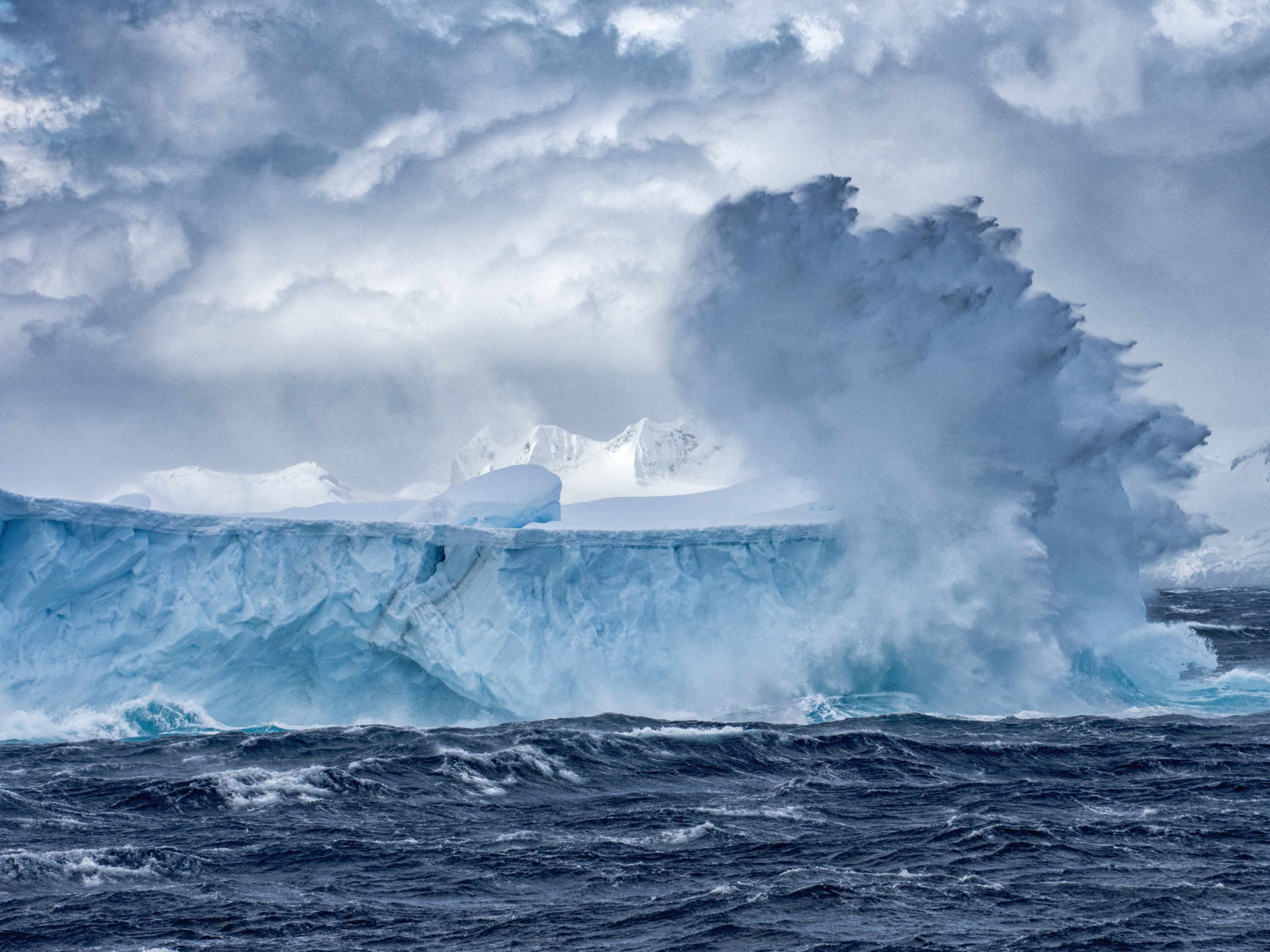
Any trip to Antarctica carries safety risks. It can affect the environment and its ecosystems. The Antarctic Treaty and the Protocol on Environmental Protection to the Antarctic Treaty set rules to manage risks and impacts.
- The Treaty requires each Party (including the United States) to provide advance notification to the other Treaty Parties of all trips to the Antarctic Treaty area by its people or vessels.
- The Treaty area covers everywhere south of 60 degrees south latitude, including waters and islands around Antarctica. Treaty Parties also must give notice of any expeditions that were organized in their territory or that began in their territory.
- In the United States, expedition organizers provide the information to the State Department. We then submit the advance notification information to a database available to all Treaty Parties.
- U.S. tourists who book a cruise to Antarctica with a reputable company can usually expect their expedition organizers to handle the expedition’s advance notification.
- However, it is a good idea to check with your expedition organizer. Ask if they have completed their advance notification requirements. The International Association of Antarctica Tour Operators requires its members to do so.
The Antarctic Conservation Act implements U.S. Treaty obligations under the Antarctic Treaty and its Protocol and Annexes. It applies to all U.S. citizens and prohibits several activities, including:
- Introducing any prohibited product onto land, ice shelves, or into water in Antarctica.
- Disposing of any prohibited waste in Antarctica.
- Damaging, removing, or destroying a historic site or monument.
- Engaging in any taking or harmful interference of native mammals, birds, plants, or invertebrates in Antarctica without authorization.
Violations of the Act may be punishable by civil and criminal penalties, as well as possible imprisonment.