Reissued after periodic review with minor edits.
Review the latest State Department Travel Advisory about Switzerland. You can plan for safe travel by following the entry and exit requirements, reviewing local laws, and other travel guidance from the U.S. embassy or consulate.
Visit ch.usembassy.gov
Learn more about U.S. and Switzerland relations at State.gov
in Switzerland.
Switzerland is generally a safe destination for travelers.
Switzerland is in Europe, in the Northern Hemisphere. It is a landlocked country. It shares land borders with Germany, Austria, Liechtenstein, Italy, and France. Switzerland is about twice as large as New Jersey.
It uses Central European Time (CET) and observes daylight saving time and switches to Central European Summer Time (CEST) in the warmer months. Switzerland is six hours ahead of Washington, D.C. most of the year, but only five hours ahead during the beginning and end of daylight saving time.
Sulgeneckstrasse 19
3007 Bern, Switzerland
U.S. Embassy Bern
P.O. Box 3259
3001 Bern, Switzerland
Online Navigator: U.S. Citizens Services Assistant
The Consular Section at the U.S. embassy provides routine and emergency services for U.S. citizens. The embassy requires appointments for routine consular services. Please schedule appointments through the online appointment system for U.S. Citizens Services.
Message failed to load
We are unable to load the message. Visit the main U.S. embassy or consulate website for updates.
Explore our travel guidance topics to prepare for your trip abroad.
Consulates General of Switzerland in the United States:
If you are planning to visit or travel through European countries, you should be familiar with the requirements of the Schengen Agreement.
You can enter the Schengen area for up to 90 days for tourism or business purposes without a visa. Visit the website of the Embassy of Switzerland in Washington, D.C. for the most current visa information.
You must have the appropriate Swiss visa if you are traveling to Switzerland for the following reasons:
Terrorists and their supporters may target U.S. citizens abroad.
Terrorists may target:
Demonstrations occur frequently. They may take place in response to political or economic issues, on politically significant holidays, and during international events.
The majority of crimes targeting foreign visitors, including U.S. citizens, involve pickpocketing, vehicle break-ins, bicycle theft, and other forms of theft.
Local authorities are responsible for investigating and prosecuting crime. You may report crimes to the local police by dialing 117.
Follow the Department of State guidelines to protect yourself from scams.
If you are a victim of a scam, learn how the FBI can help.
Financial scams are common in Switzerland. Be careful of anyone asking for money, especially those who start a "romantic" relationship online or claim local authorities want money. Scams often begin through online posts, emails, or letters. Scammers pretend to be U.S. citizens in need of help.
Common scams include:
Mobile devices are vulnerable to compromise, theft, and damage anywhere in the world. Follow these safe practices:
The tourism industry is regulated:
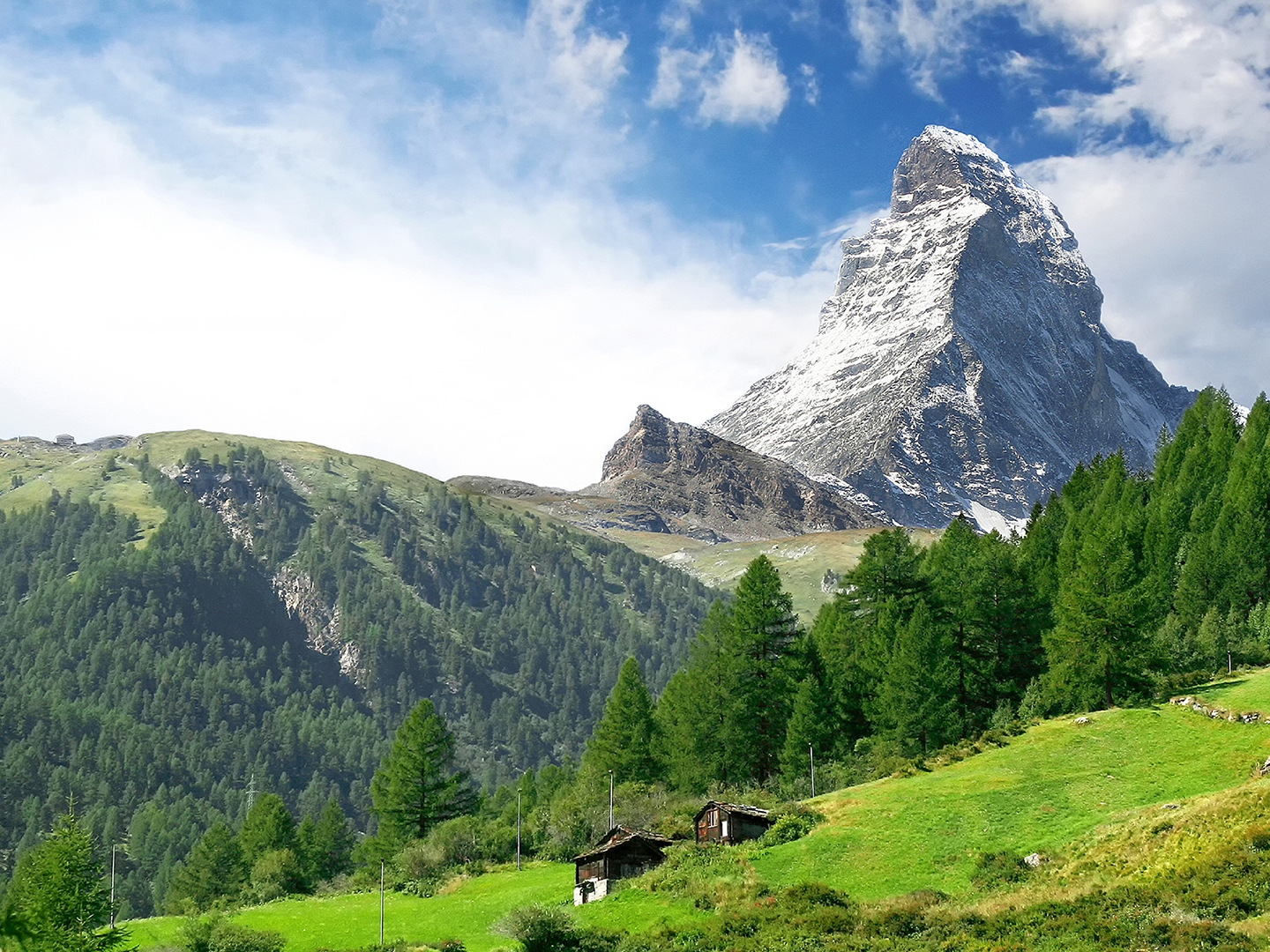
Switzerland is a popular destination for outdoor sports, including skiing, hiking, and mountain climbing.
Safety tips
Counterfeit and pirated goods are common in many destinations.
Learn more about U.S. restrictions on counterfeit and pirated goods:
Faith-based travel includes pilgrimages, service projects, and mission work. Prepare for your travel using these resources:
The law in Switzerland prohibits discrimination against people with physical, sensory, psychosocial, intellectual or mental disabilities. The law is enforced.
Make sure you know if your health insurance plan covers any medical expenses coverage abroad. Most U.S. plans do not.
If you or someone you know is in a mental health crisis, free and anonymous help is available.
Health facilities are available in Switzerland. It may be harder to find adequate health care in rural areas.
U.S. Customs and Border Protection (CBP) and the Food and Drug Administration (FDA) have rules for bringing medication back into the United States. If you buy medications abroad, the medications must meet CBP’s and the FDA’s requirements to bring them back legally.
The medications must also be for personal use and approved for use in the United States.
For more information:
Stay up to date with the vaccines recommended by the U.S. Centers for Disease Control and Prevention.
If you are considering traveling to Switzerland to have a child through use of assisted reproductive technology (ART) or surrogacy, please review our information on ART and surrogacy abroad.
Air pollution can be a significant problem in many destinations overseas.
Road conditions are generally excellent, but weather, traffic, engineering, and driving habits can cause dangers.
You must buy a toll sticker “E-Vignette” if you plan to drive on the highways.
While driving in Switzerland you are subject to local traffic laws.
You may drive in Switzerland with a valid U.S. license for up to 1 year after your arrival. Then you must get a Swiss permit.
Public transport in Switzerland is widespread, punctual, and safe.
For fares and schedules:
Travelers need to buy train, bus, or tram tickets. They must validate these tickets before boarding. You can validate them electronically. You can also buy tickets using machines near the entrances of train stations or at bus and tram stops.
The U.S. Federal Aviation Administration (FAA) has found that Switzerland’s Civil Aviation Authority meets international standards for aviation safety oversight. FAA’s website includes more information on its assessment program.
Weather conditions
Switzerland's climate is temperate but varies with altitude. Winters are cold and cloudy with rain and snow. Summers range from cool to warm and humid with occasional rain showers.
The country’s mountainous terrain presents dangers including:
If you live outside the United States for a long time, you or your family may experience various life events, wish to exercise U.S. citizenship rights, or need to meet U.S. legal obligations while abroad.
Sulgeneckstrasse 19
3007 Bern, Switzerland
U.S. Embassy Bern
P.O. Box 3259
3001 Bern, Switzerland
Online Navigator: U.S. Citizens Services Assistant
The Consular Section at the U.S. embassy provides routine and emergency services for U.S. citizens. The embassy requires appointments for routine consular services. Please schedule appointments through the online appointment system for U.S. Citizens Services.
Geneva America Center
Rue Francois-Versonnex 7
1207 Geneva, Switzerland
P.O. Box 3259, 3001 Bern, Switzerland
Zurich America Center
Dufourstrasse 101
8008 Zurich, Switzerland
P.O. Box 3259, 3001 Bern, Switzerland
Reissued after periodic review with minor edits.
Last Updated: January 15, 2026
Owned by Overseas Citizens Services
Travel.State.Gov
An official website of the Department of State - Bureau of Consular Affairs